
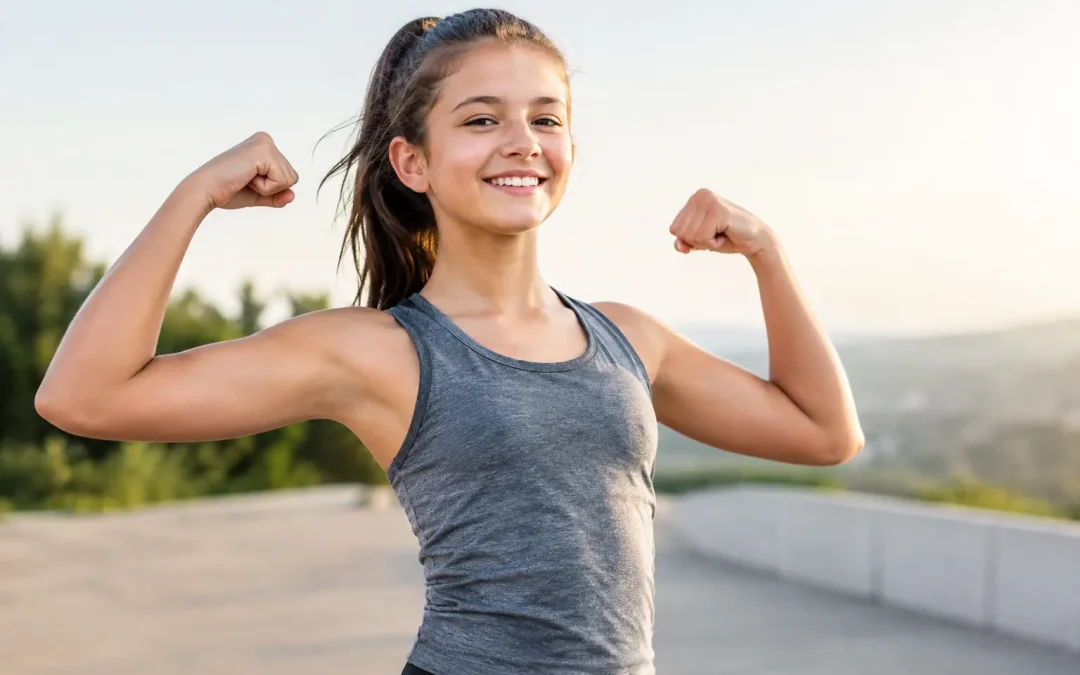
A child who spends the school day sitting still, concentrating, and following instructions still has plenty of energy left to use. The question is where that energy goes. Youth fitness gives children a positive place to move, learn, and feel proud of what their bodies can do. When that fitness comes through structured martial arts training, it can also build focus, respect, confidence, and habits that support them well beyond the class.
For many families, the goal is not to raise a competitive athlete. It is to help a child become more active, more resilient, and more comfortable in their own skin. Freestyle kickboxing offers a practical, engaging route to all of that, with clear goals and encouragement at every stage.
Why youth fitness needs more than exercise
Children need regular movement, but simply being active is not always enough to hold their attention. A program works best when it gives them a reason to return. They need to feel progress, understand expectations, and know they belong.
Martial arts classes bring purpose to physical activity. A child is not just running, stretching, or doing drills. They are learning how to stand with balance, coordinate their hands and feet, listen carefully, and practice a skill until it improves. That sense of achievement can make fitness feel rewarding instead of like another task.
The physical side matters too. Kickboxing training can support coordination, flexibility, balance, cardiovascular fitness, and general strength. Classes should be scaled to the child’s age, experience, and development, so beginners can join without feeling left behind while more confident students still have room to grow.
Just as valuable is the structure around the training. Arriving on time, wearing the right kit, listening to an instructor, and trying again after a mistake all reinforce the habits that help children in school, at home, and in everyday life.
The confidence children earn through training
Real confidence is not about being the loudest person in the room. It grows when children face a challenge, put in consistent effort, and see that they can improve. That is why a well-run martial arts class can be especially valuable for children who are shy, easily frustrated, or unsure about joining new activities.
At first, a simple sequence of movements may feel difficult. They may need reminders about stance, guard, or keeping their focus. With patient coaching and regular practice, those same movements begin to feel natural. The child notices the change: they can do something today that they could not do a few weeks ago.
That progress has a wider effect. A child who learns to keep going through a tough drill may become more willing to attempt a new task at school. A child who learns to speak clearly when answering in class may start to carry themselves differently outside the training space. Every child develops at their own pace, but the message remains the same: effort matters, and improvement is possible.
Youth fitness should teach discipline without taking away the fun
Parents sometimes worry that discipline means harshness or that fitness classes will be too intense for a child who is just starting out. Good youth training should be both structured and enjoyable. Children need clear boundaries, but they also need encouragement, variety, and moments to laugh while they learn.
In freestyle kickboxing, discipline is practiced in small, useful ways. Students line up, listen when instruction is being given, take turns, and treat their training partners with care. They learn that strength is controlled, not reckless. They learn that respect applies to everyone in the room, regardless of age or ability.
Fun does not have to mean chaos. Games, movement challenges, pad work, and age-appropriate drills can keep sessions lively while still reinforcing technique and fitness. The best balance depends on the child’s age. Younger children often benefit from shorter activities and clear routines, while teens may respond well to more challenging combinations, fitness goals, and practical self-defense awareness.
Progress is personal
It is easy for children to compare themselves with friends or classmates. A supportive club helps them focus on their own next step instead. For one student, progress may mean improving balance. For another, it may mean finding the confidence to join in, complete a full warm-up, or keep trying after getting something wrong.
This approach matters because youth fitness is not a one-size-fits-all experience. Some children love fast-paced physical challenges from their first class. Others need time to settle in and build trust. Both can benefit from patient instruction and a consistent routine.
Healthy habits that reach beyond the class
Regular training creates a weekly rhythm. Children begin to understand that feeling fitter is connected to showing up, practicing, resting, and taking care of themselves. They may start to notice how sleep, water, and a good meal affect their energy during class. These are small lessons, but they can become lasting habits.
Martial arts can also offer a useful break from screens. That does not mean technology is the enemy. It means children benefit from time spent moving with purpose, talking to others face to face, and paying attention to the present moment. A class gives them a setting where their effort is visible and where their teammates can encourage them.
There is a social side as well. Training alongside other children teaches cooperation and consideration. Students learn to work with different personalities, give each other space, and celebrate effort without needing to be the best in the room. For children who do not enjoy traditional team sports, martial arts can provide that sense of community while allowing them to work toward individual goals.
What parents should look for in a youth fitness class
The right class should feel welcoming from the first visit, but it should also have standards. Parents should expect instructors to explain activities clearly, group students in ways that make sense for their age and ability, and maintain a positive, focused environment.
Look for a program that treats martial arts as more than a workout. Physical fitness is a major benefit, but children should also be learning self-control, awareness, resilience, and respect. Ask how beginners are introduced, how progress is recognized, and whether classes are designed for specific age groups.
It also helps to watch how your child responds after a session. They do not need to be perfect or instantly confident. The better signs are often simple: they are proud of something they learned, they can remember a new skill, they talk positively about the instructor, or they ask when they can go back.
At Taylor Martial Arts, families can experience that approach through age-appropriate freestyle kickboxing classes built around fitness, practical skills, discipline, and encouragement. A free trial gives a child the chance to step onto the mat, meet the class, and see whether the routine feels right for them.
Helping your child get started with confidence
Before a first class, keep the conversation simple. Let your child know they do not need experience, special ability, or perfect coordination to begin. Their job is to listen, try, and enjoy learning something new. Comfortable clothes, a water bottle, and a positive attitude are enough to start.
Avoid putting pressure on them to perform. Instead of asking whether they were the best, ask what they enjoyed, what felt challenging, and what they would like to practice next time. Those questions encourage a healthy relationship with fitness based on progress rather than comparison.
A child does not need to become a champion to gain something meaningful from martial arts. Give them a place to move, a reason to focus, and people who expect their best with patience and respect. The confidence they build one class at a time can become part of how they approach every new challenge.
Recent Comments