
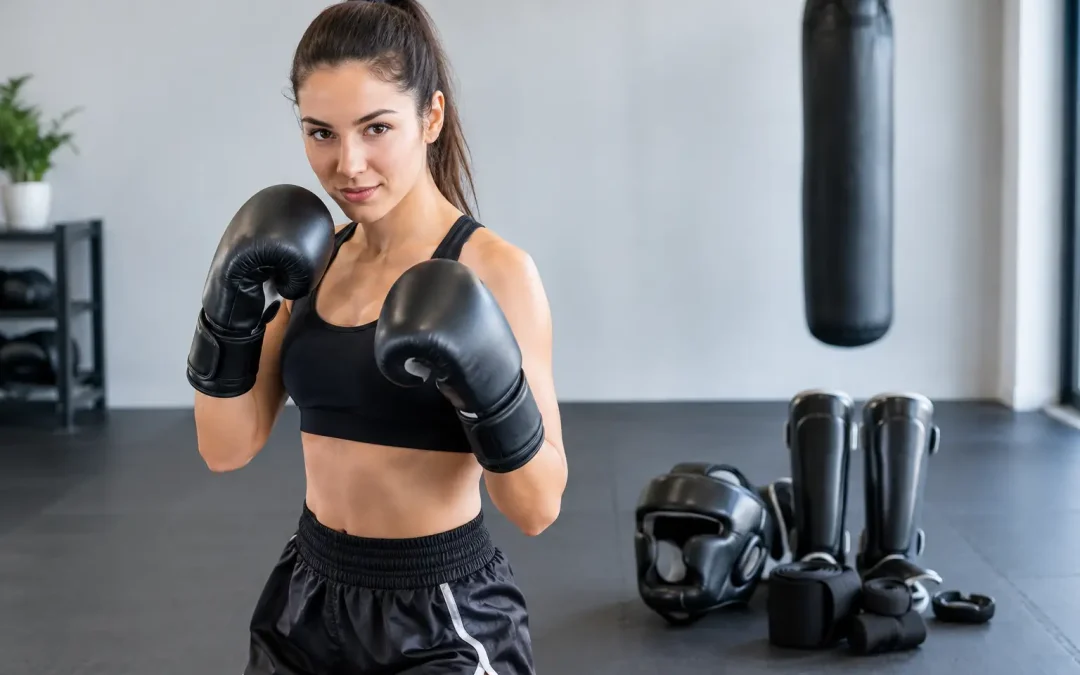
A well-thrown kick should build confidence, not send someone home with an avoidable injury. The best protective gear for kickboxing gives children, teens, and adults the confidence to train with focus, respect their training partners, and learn safely at their own pace.
You do not need to buy every piece of equipment on day one. What you need depends on the class, your age, and whether you are practicing drills, working pads, or taking part in controlled sparring. Start with the essentials, choose gear that fits correctly, and ask your instructor before spending money on specialist items.
Best Protective Gear for Kickboxing Starts With Fit
The most expensive equipment is not always the safest. Protective gear only works when it stays in place, allows normal movement, and is designed for the activity you are doing. A loose helmet can block vision. Gloves that are too large can slip at the wrist. Shin guards that rotate when you kick leave the areas they are meant to protect exposed.
For younger students, comfort matters just as much as protection. If gear pinches, feels heavy, or is difficult to put on, a child may become distracted before class has properly begun. Parents should look for adjustable fastenings, sensible sizing, and equipment that a child can use with a little help as they grow in confidence.
Your instructor’s guidance comes first. Every club has its own standards for sparring equipment, and a beginner class may not require the same kit as a more advanced session. Buying after your first few classes can prevent costly mistakes.
Kickboxing Gloves: Your First Essential
Gloves are usually the first item most students need. They protect your knuckles and wrists when striking pads or bags, while also reducing the impact on a partner during controlled practice. They are not a replacement for good technique, but they support safe habits while you develop it.
Kickboxing gloves are commonly measured in ounces. Lighter gloves can be useful for pad work, while heavier gloves provide more padding for sparring. Many adults use 14- or 16-ounce gloves for partner work, though the right choice depends on body size and club rules. Children should use youth gloves selected for their hand size and age, rather than simply using an adult glove with the tightest possible strap.
Look for a secure wrist closure and enough room to make a comfortable fist. Your fingers should reach near the end of the glove without being crushed, and your wrist should feel supported when you punch. A glove that feels fine while standing still may feel very different after ten minutes on the pads, so do not ignore rubbing, numbness, or wrist discomfort.
Gloves need care, too
Sweat builds up quickly inside gloves. Air them out after every class rather than leaving them in a sealed gym bag. Wipe the outside regularly and use hand wraps or inner gloves to reduce odor and keep the lining in better condition. This is a simple habit that shows respect for your equipment and for the people you train alongside.
Hand Wraps Support Technique and Comfort
Hand wraps sit underneath gloves to support the wrists, knuckles, and small bones in the hand. They are inexpensive, easy to carry, and especially useful as training becomes more regular. Wraps should feel firm but never tight enough to cause tingling or loss of circulation.
Beginners often find traditional wraps awkward at first. That is normal. Ask an instructor to show you a simple wrapping method, then practice at home a few times. Quick-wrap gloves are another option for younger students or anyone who wants a faster routine, although they may not offer the same tailored support as properly wrapped hand wraps.
A Mouthguard Is Small but Non-Negotiable
A mouthguard is one of the most valuable pieces of protective gear for kickboxing sparring. It helps protect teeth and can reduce the risk of injury to the lips, tongue, and jaw when accidental contact happens. Controlled sparring is about learning timing, distance, and discipline, but accidents can still occur.
A boil-and-bite mouthguard is a practical starting point for many students. Follow the fitting instructions carefully so it molds around the teeth rather than sitting loose in the mouth. If it falls out when you open your mouth, it does not fit well enough. Students who spar regularly, wear braces, or want a closer fit may benefit from speaking with a dental professional about a custom option.
For children, check the mouthguard regularly. Growing mouths and changing teeth can affect the fit sooner than parents expect. Replace it if it is torn, chewed through, loose, or no longer comfortable.
Shin Guards Protect Both Training Partners
Shin guards are essential when kicks are practiced with a partner. The shin has very little natural padding, so even light contact can hurt without protection. Good shin guards also protect the person receiving the kick, making it easier for everyone to practice with control rather than hesitation.
There are two common styles: slip-on guards with elastic support and guards with straps around the calf. Slip-on styles can be convenient for younger students and light drills. Strapped guards often stay in place better during active sparring and may provide more substantial padding. Neither style is automatically better. The right option is the one approved by your instructor and suited to your training level.
The guard should cover the shin from below the knee toward the ankle without restricting your ability to bend the knee or point the foot. Test it with a few slow kicks. If it twists to the side every time, adjust the straps or try a different size.
Headgear, Groin Guards, and Chest Protection
Headgear is sometimes required for sparring, particularly for younger students or classes with specific competition-style rules. It can reduce cuts and soften the impact of accidental contact, but it does not make hard hits safe. Good control, clear rules, and attentive coaching remain the real foundation of safe sparring.
Choose headgear that gives a clear view of your opponent and does not move across your eyes. It should fit snugly without causing a headache. Avoid assuming that more padding is always better, since bulky headgear can affect vision, balance, and awareness.
A groin guard is recommended or required in many adult and teen sparring settings. It should be worn securely and chosen for movement as well as coverage. For female students, chest protection may be appropriate depending on the class format and personal preference. These items are personal decisions in some programs, but club requirements should always be followed.
Do Not Forget the Basics Outside Sparring
Not every safety decision comes in the form of protective padding. Keep fingernails trimmed, remove jewelry, and tie back long hair before class. Wear clean training clothes that allow you to lift your knees, rotate your hips, and move freely. Bring water, especially when training is energetic or the room is warm.
For students who train barefoot, clean feet and short toenails help prevent scratches and reduce the chance of slipping. If your club permits training shoes for a particular class, make sure they are clean and used only indoors. These small routines teach responsibility, which is a valuable part of martial arts training.
Buy in Stages, Not All at Once
For most beginners, gloves and hand wraps are a sensible first purchase. Add a mouthguard, shin guards, and any required protection once sparring becomes part of your training. This approach keeps the process affordable and ensures that the gear matches what you will actually use.
Avoid buying used mouthguards, groin guards, or heavily worn gloves. Hygiene and hidden damage matter. Used shin guards or headgear can be acceptable if they are clean, undamaged, and still fit properly, but new equipment is often the better choice when the budget allows.
The goal is not to look like a professional fighter on your first class. The goal is to train consistently, learn with discipline, and protect the people who are helping you improve. Bring your questions to class, listen to your instructor, and choose gear that lets you focus on becoming stronger, calmer, and more confident each week.
Recent Comments