
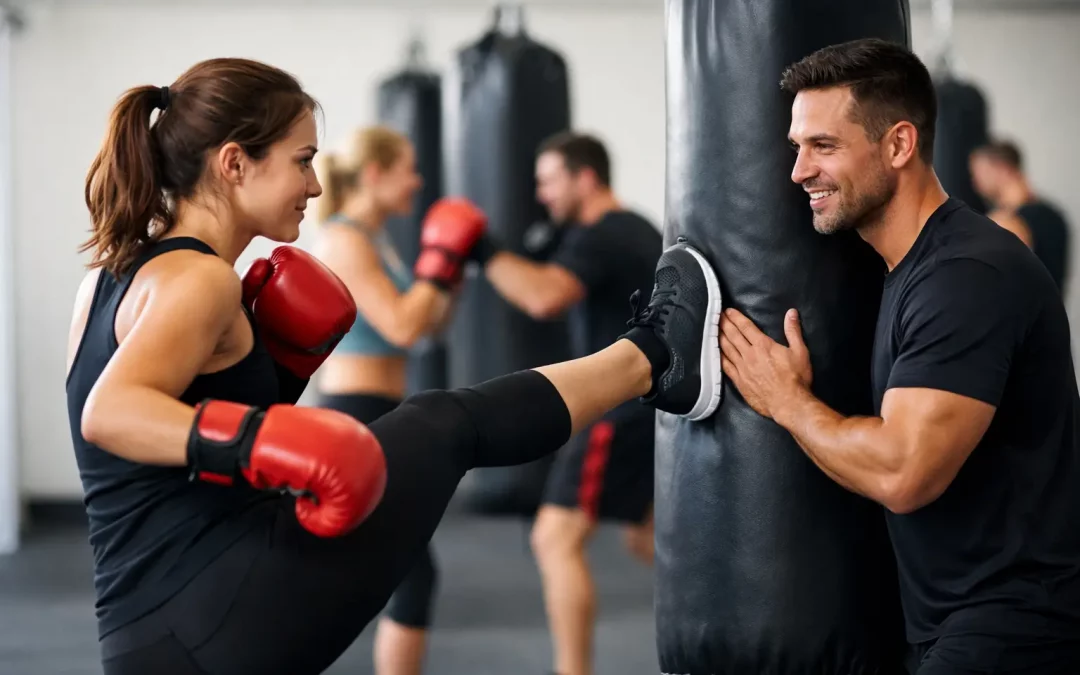
Walking into your first martial arts class can feel like a big step. You may be wondering whether you are fit enough, coordinated enough, or confident enough to keep up. The simple answer to “can beginners join kickboxing classes” is yes. A good class is designed to help you start where you are, then build your skills one session at a time.
Kickboxing is not reserved for experienced fighters or naturally athletic people. It is a practical, structured activity for children, teens, and adults who want to get fitter, learn self-defense, build confidence, and enjoy being part of a positive community. You do not need a background in martial arts to begin. You just need a willingness to learn, listen, and keep showing up.
Can Beginners Join Kickboxing Classes Without Experience?
Absolutely. Beginner kickboxing classes should teach the foundations before asking students to put techniques together at speed. That means learning how to stand with balance, how to keep your hands in a safe guard position, how to move with control, and how to make basic punches and kicks correctly.
Your first lesson is not a test. Nobody should expect you to know combinations, sparring rules, or martial arts terminology before you arrive. An experienced instructor breaks movements into manageable stages, demonstrates them clearly, and gives you time to practice. Repetition is part of the process. Every confident student in the room began with their first stance, first punch, and first class.
For many people, the biggest challenge is not the physical work. It is getting past the worry of being new. A welcoming club understands that feeling and creates an environment where questions are encouraged. Progress matters more than perfection.
What a Beginner Kickboxing Class Usually Feels Like
A structured class gives beginners a clear routine to follow. While each session may vary, you can usually expect a warm-up, technique practice, fitness work, and a cool-down or short review at the end.
The warm-up prepares your body for training. It may include light movement, mobility exercises, and simple drills to raise your heart rate. You do not need to arrive already in peak condition. Regular training helps build fitness gradually, while instructors can offer adjustments when you need a lower-impact option.
Technique practice is where you learn the details that make kickboxing effective and safe. You may work on a jab, a front kick, a defensive movement, or a short combination. At first, the goal is control. Power comes later, once your posture, balance, and timing improve.
Many classes use pads or controlled partner drills. These activities can be great for confidence because they let you practice with a clear target and immediate coaching. Partner work should always be supervised and respectful. You are there to help each other learn, not to prove who is toughest.
Some beginner sessions may include light sparring at a later stage, but this depends on the club, your age, your experience, and your personal comfort level. You should never be pressured into contact training before you understand the rules and feel ready. Ask how sparring is introduced if this is something you are unsure about.
You Do Not Need to Be “Fit Enough” First
It is common to think you need to get in shape before joining a kickboxing class. In reality, joining is often the step that helps you become fitter. Kickboxing can improve stamina, strength, coordination, flexibility, and overall wellbeing because it keeps your whole body involved.
Your starting point matters, but it does not define your potential. Someone returning to exercise after years away will train differently from a person who already runs or plays a team sport. Both can make progress. A responsible instructor helps students work at an appropriate pace rather than treating every body the same.
Consistency is more valuable than trying to do too much in week one. One or two regular classes can become a healthy part of your routine. Over time, movements that once felt awkward begin to feel natural. You may notice that stairs are easier, your energy improves, and you feel stronger in everyday life.
If you have an injury, a medical condition, or any concern about exercise, speak to a qualified health professional first and let your instructor know before class. Good communication helps the coach suggest safe modifications and keeps training positive.
Why Kickboxing Is a Strong Choice for Children and Teens
For young people, kickboxing is about much more than punches and kicks. A well-run, age-appropriate program gives children a place to move, concentrate, listen, and grow in confidence.
Classes teach discipline in a practical way. Children learn to line up, follow instructions, take turns, and keep trying when a new skill feels difficult. They learn respect for instructors, training partners, and themselves. Those habits can support them at school, at home, and in other activities.
Physical activity also gives children a constructive outlet for energy. Instead of simply being told to focus, they practice focus through drills that require attention, balance, and control. As they develop, they can see their own progress through improved technique, fitness, and goal-setting.
The right class should never make a child feel left behind because they are quieter, less sporty, or completely new. Small wins matter. A child who raises their hand to answer a question, completes a combination, or encourages a classmate is building confidence that reaches beyond the training floor.
What Should Beginners Wear and Bring?
For a first session, comfortable workout clothes are usually enough. Choose clothing that allows you to lift your knees, stretch your legs, and move your arms freely. Bring water, arrive a few minutes early, and be ready to remove jewelry that could catch during training.
You may not need to buy specialist equipment before trying a class. Many clubs can explain what equipment is required as you continue, such as gloves, shin guards, or a uniform. Starting with a trial class lets you see whether the environment and training style are right for you before making any bigger commitment.
It is also worth arriving with an open mind. You may feel uncoordinated at first. You may forget a combination. That is normal. The people who improve are not the ones who get everything right immediately. They are the ones who stay patient and practice.
How to Choose the Right Beginner Class
Not every kickboxing class offers the same experience. If your goal is fitness, self-defense, confidence, or family-friendly training, look for a club that explains how it supports beginners rather than focusing only on advanced competitors.
Ask whether classes are separated by age or experience where appropriate. Children benefit from teaching that matches their stage of development, while adults often value a class where they can train seriously without feeling intimidated. Find out how instructors manage safety, partner work, and progression through the program.
The atmosphere matters just as much as the timetable. You should feel welcomed, respected, and able to ask for help. Strong martial arts training has standards, but it should also have encouragement. Discipline and kindness belong in the same class.
Taylor Martial Arts offers structured freestyle kickboxing training for children, teens, and adults, with a focus on fitness, self-defense, respect, and personal development. For families in Carshalton, Croydon, and nearby areas, a free trial can be a simple way to experience a class before deciding whether it is the right fit.
Your First Class Is the Start, Not the Finish
Beginners often measure themselves against the most experienced person in the room. Try not to. Their skill is evidence of what regular practice can achieve, not a reason to hold back.
Set a small goal for your first few classes. Learn the names of two techniques. Improve your stance. Remember to keep your guard up. Attend consistently for a month. These simple targets create momentum, and momentum builds confidence.
You do not need to arrive as a fighter to benefit from kickboxing. You can arrive as a parent seeking a positive activity for your child, an adult looking for a new challenge, or someone who wants to feel stronger and more focused. Take the first class, give yourself permission to learn, and let steady effort show you what you can become.
Recent Comments