
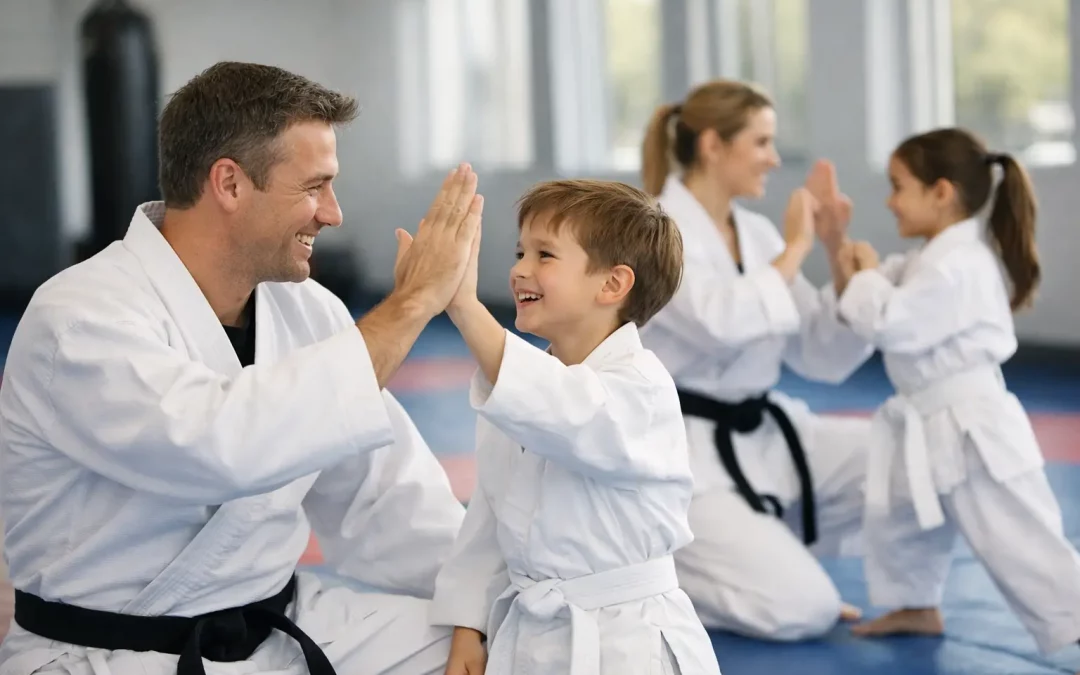
Saturday morning usually tells the story. One child walks in shy and unsure. A parent comes in wanting to get fitter. An older sibling wants focus, structure, and a challenge. A good family martial arts club gives all of them a place to grow at the same time, without forcing everyone into the same class or the same goals.
That is what makes family training different from a standard fitness class or a single-age sports program. It is not only about kicks, pads, and drills. It is about giving children, teens, and adults a shared environment built on respect, discipline, confidence, and steady progress. For many families, that matters just as much as the physical training.
What makes a family martial arts club different
A true family martial arts club is designed around people at different life stages. Young children need structure, movement, and listening skills. Teens often need confidence, resilience, and a healthy outlet for stress. Adults may want practical self-defense, better fitness, or simply a routine they can stick to. When a club understands that, the training becomes far more useful.
The best family-focused programs do not treat martial arts as one-size-fits-all. They build age-appropriate classes with clear instruction and realistic expectations. That means children are not being asked to train like adults, and adults are not being pushed into an intimidating competitive environment unless that is what they want.
This matters because progress looks different for everyone. For one child, success might be speaking up with confidence. For another, it might be learning to focus for a full class. For an adult, it might be improving fitness and feeling more capable week by week. A family setting makes room for those different wins.
The benefits go beyond physical fitness
Most people start with a practical reason. Parents want an activity that supports their child’s confidence and discipline. Adults want to get active again, learn self-defense, or break out of a routine that no longer works. Those are good reasons to start, but they are rarely the only benefits people notice.
Martial arts training develops consistency. You show up, listen, practice, improve, and repeat. Over time, that routine builds habits that carry into school, work, and home life. Children often become better at following instructions and managing frustration. Teens can gain a stronger sense of self-control. Adults often find they feel sharper, calmer, and more confident in everyday situations.
There is also real value in training that asks for both effort and respect. In many activities, children are either entertained or pushed to perform. Martial arts sits in a healthier middle ground when it is taught well. Students are encouraged, but standards still matter. That balance helps people grow without feeling lost or overwhelmed.
Why parents often choose martial arts for the whole family
Busy families do not need more chaos in the schedule. One reason a family martial arts club appeals to parents is simple: it brings multiple needs together in one place. Instead of driving to separate activities with separate goals, families can choose a training environment where everyone benefits.
That convenience is helpful, but it is not the main reason families stay. They stay because the training supports qualities they want to see at home – better focus, more respect, stronger routines, and healthier confidence. Children respond well to clear expectations. Adults benefit from the same thing, even if they do not always say it that way.
There is also something powerful about shared experience. A child who sees a parent committing to training often takes their own classes more seriously. A parent who watches their child improve week after week sees that martial arts is not just an after-school activity. It becomes part of how the family grows.
Family martial arts club classes should feel structured and welcoming
A supportive environment does not mean a casual one. In fact, the most welcoming clubs are usually the most structured. Clear class plans, strong coaching, and consistent standards help beginners feel safe and supported. People know what to expect, and that removes a lot of the anxiety that can come with trying something new.
This is especially important for families with no martial arts background. Many people worry they will be behind, unfit, or too inexperienced. Good instruction solves that quickly. Beginners should be taught properly from the ground up, with coaches who can challenge students without making them feel out of place.
That balance matters across every age group. Young children need positive boundaries. Teens need instruction that respects their stage of development. Adults need training that is practical and motivating, not confusing or overly technical for the sake of it. When a club gets this right, people keep coming back because they feel they belong.
What to look for in a family martial arts club
If you are comparing options, look past flashy promises. The real question is whether the club can support long-term progress for your family.
Start with the class structure. Are programs separated by age and level? That usually leads to better coaching and better outcomes. A four-year-old, a teenager, and an adult beginner should not all be learning in exactly the same way.
Then consider the teaching approach. Strong martial arts instruction should be disciplined, but also encouraging. Students should be corrected clearly and supported consistently. Progress should feel earned, not handed out.
The atmosphere matters too. Some clubs lean heavily toward competition, which can be a great fit for some students and the wrong fit for others. A family-focused program should still challenge people, but the wider purpose is personal development, fitness, and practical skill. That often creates a more positive long-term experience for beginners and families alike.
Finally, think about accessibility. Local classes, realistic schedules, and a simple way to try a session can make a big difference. Many families do best when they can experience the environment before making a commitment.
Why local matters for long-term progress
Martial arts works best when it becomes part of your weekly routine. That is one reason local training matters so much. If the club is easy to reach from home, school, or work, consistency becomes far more realistic.
For families in Carshalton, Croydon, and nearby areas, that local connection also creates trust. You are not joining an anonymous program. You are becoming part of a community where instructors get to know students by name, notice their progress, and help them stay accountable.
That community element is often underestimated. People improve faster when they feel seen and supported. Children gain confidence when instructors recognize their effort. Adults stay more consistent when training becomes part of a positive routine rather than another task to squeeze into the week.
At Taylor Martial Arts, that local, family-focused approach is central to the experience. The goal is not to create an intimidating gym culture. It is to provide structured freestyle kickboxing classes where children, teens, and adults can build fitness, confidence, discipline, and practical skills in a supportive setting.
It depends on what your family wants most
Not every family joins for the same reason, and that is worth being honest about. If your main priority is elite-level competition, you may want a club built specifically around that pathway. If your priority is character development, fitness, self-defense, and a strong community environment, a family-focused martial arts club is often a better fit.
The same applies across age groups. Some children need an outlet for energy. Others need help with focus or confidence. Some adults want high-intensity training, while others want a steady return to fitness with practical purpose. The right club should be able to meet those needs without making people feel they have to become someone else first.
That is often the biggest difference maker. A good martial arts club does not ask whether you are already confident, fit, or experienced enough. It gives you a place to build those qualities over time.
A strong start matters more than perfect timing
Many families wait for the right moment to begin. They want school to settle down, work to calm down, or confidence to magically appear before stepping into class. In reality, the best time to start is usually when you are ready for a better routine.
A family martial arts club can give that routine shape. It gives children structure they can grow within. It gives teens a positive challenge. It gives adults a practical, motivating way to invest in their health and mindset. Most of all, it gives families a place where progress is shared, effort is respected, and improvement feels possible from day one.
If you are looking for an activity that strengthens more than fitness, start with the environment. Choose a place where your family can be encouraged, challenged, and welcomed as you are. That is where real progress begins.
Recent Comments