
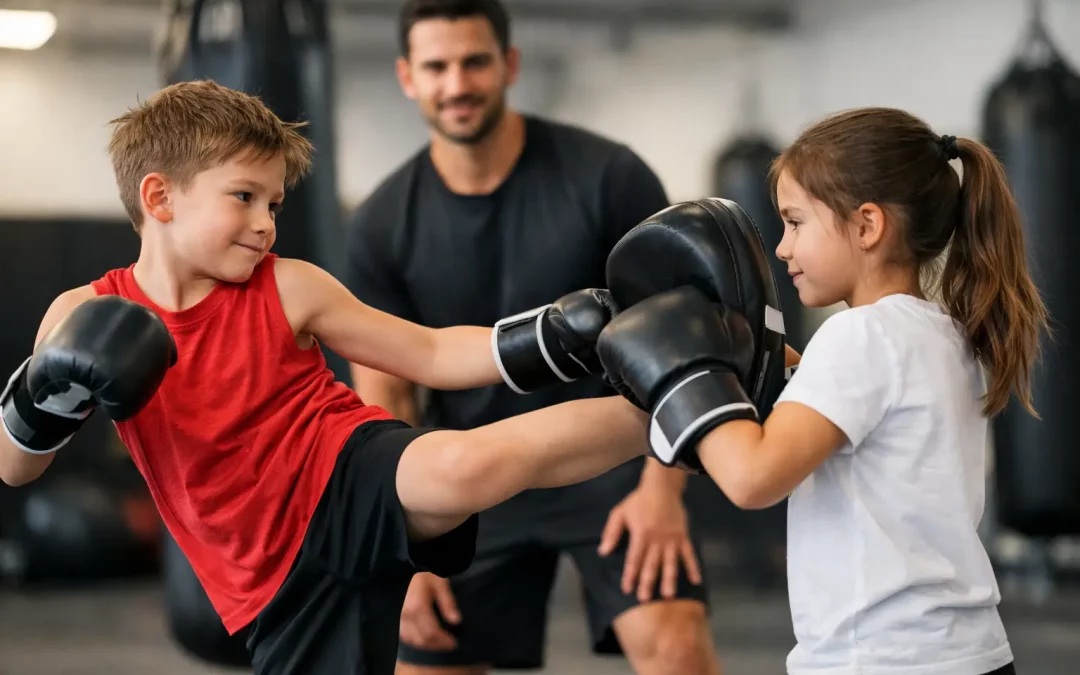
A lot of parents ask the same question before booking a first class: is kickboxing safe for children? It is a fair question, especially if your child is energetic, shy, easily distracted, or completely new to martial arts. The short answer is yes – kickboxing can be very safe for children when it is taught properly, with age-appropriate coaching, clear rules, and a strong focus on control.
That last part matters. Safe children’s kickboxing does not look like kids being pushed into hard contact or told to fight before they are ready. In a well-run class, training is structured, supervised, and built around learning technique, movement, discipline, and confidence step by step.
Is kickboxing safe for children in real classes?
In the right environment, yes. The biggest factor is not the name of the activity. It is how the class is taught.
A good children’s kickboxing program is designed around development, not intimidation. Younger students learn balance, coordination, listening skills, and basic striking technique in a controlled way. As they grow, they build fitness, focus, respect, and self-control alongside the physical side of training.
This is why one kickboxing class can feel completely different from another. A family-focused program with qualified instructors, clear class structure, and strong behavior standards is very different from a setting that treats every session like a fight camp. Parents should judge the coaching, the culture, and the safety systems, not just the sport itself.
What actually makes kickboxing safe?
Safety in children’s martial arts comes from layers of good practice working together. It starts with coaching. Instructors should know how to teach children at different ages, not just how to perform techniques themselves. A skilled coach understands when to slow things down, how to correct poor movement, and how to keep children engaged without letting the class become chaotic.
Class structure matters just as much. Safe sessions include warm-ups, technical drills, controlled partner work when appropriate, and close supervision throughout. Children should not be thrown into advanced drills before they have the balance, attention, or emotional maturity for them.
Then there is the culture of the club. The safest programs put respect, focus, and control at the center of every class. Children learn that martial arts is not about hurting people. It is about discipline, confidence, and learning how to manage themselves well under pressure.
Protective equipment can also play a role, especially as children progress into more partner-based work. Gloves, pads, and other safety gear reduce impact and help create a controlled learning environment. Just as important, instructors should know when contact is appropriate and when it is not.
The risks parents should understand
No physical activity is risk-free. That includes soccer, gymnastics, basketball, and martial arts. So the honest answer is not that kickboxing is perfectly risk-free. It is that the risks can be managed very well in a properly run class.
The most common issues are usually minor, such as bumps, soreness, or the occasional awkward movement from a child who is still learning coordination. More serious problems are far less likely when classes are supervised properly and children are matched to drills that suit their age and ability.
Where risk increases is when coaching is poor, contact is rushed, class sizes are too large for proper supervision, or children are encouraged to train beyond their level. That is why the quality of instruction matters more than flashy branding or tough-sounding marketing.
Parents should also remember that children develop at different speeds. One child may be physically confident but struggle to stay focused. Another may be cautious at first but learn quickly in a calm, supportive setting. Good instructors adapt to those differences instead of forcing every child through the same path.
Benefits that go beyond physical safety
When parents ask whether kickboxing is safe, they are often asking something bigger. They want to know if the activity will be good for their child as a whole.
That is where martial arts can offer real value. In a structured class, children are not just learning punches and kicks. They are learning how to listen, follow instruction, stay calm, work hard, and treat others with respect. Those habits carry into school, home life, and other activities.
For some children, kickboxing helps channel energy in a positive direction. For others, it builds confidence in a child who is quiet or hesitant. Many children simply benefit from being part of a routine where effort matters, progress is earned, and positive behavior is expected.
Physical benefits matter too. Kickboxing can improve coordination, balance, fitness, agility, and body awareness. For children who are not drawn to traditional team sports, it can be a strong alternative because progress is personal and structured.
What parents should look for before enrolling
If you are deciding whether kickboxing is right for your child, trust what you see in the class environment.
Look for instructors who are calm, organized, and confident with children. They should explain things clearly, manage behavior well, and create an atmosphere where children feel supported but accountable. A class should feel active and positive, not aggressive or out of control.
Pay attention to whether children are grouped by age or ability when needed. A five-year-old and a twelve-year-old do not learn in the same way, and a good program recognizes that. Age-specific classes usually lead to safer training and better progress.
You should also notice how safety rules are handled. Are children corrected when they get careless? Are drills supervised closely? Is there an obvious standard for respect and self-control? In the best programs, safety is part of the teaching from the first lesson, not an afterthought.
A trial class is often the best way to judge all of this. It lets parents see how instructors interact with children, how the group responds, and whether the training style feels right for their family.
Is kickboxing safe for shy, energetic, or younger children?
Often, yes – but the right class matters even more.
Shy children usually do better in welcoming, structured sessions where expectations are clear and progress happens gradually. They do not need pressure. They need consistency, encouragement, and small wins that help them grow in confidence.
Very energetic children can benefit greatly from kickboxing because it gives them a positive outlet and teaches them to focus that energy with control. The goal is not to tire them out for an hour and send them home. The goal is to help them learn discipline, timing, and self-management.
For younger children, safety depends heavily on age-appropriate coaching. Early-years martial arts should focus on movement, coordination, listening, and simple techniques taught in a fun but disciplined format. It should never feel like adult training shrunk down for smaller bodies.
When kickboxing may not be the right fit yet
Sometimes the answer is not no, but not yet. A child who struggles to follow very basic instruction, becomes distressed in group settings, or is not ready for structured participation may need a little more time before joining a class successfully.
That does not mean they cannot do martial arts in the future. It just means the class needs to match their stage of development. A thoughtful instructor will be honest about readiness and help guide parents toward the best starting point.
At Taylor Martial Arts, this is why structured, age-specific teaching matters so much. Children do best when expectations are clear, classes are supportive, and progress is built one step at a time.
A good class teaches control, not aggression
One of the biggest worries parents have is whether kickboxing will make a child more aggressive. In a poor environment, almost any activity can reinforce bad habits. In a good martial arts program, the opposite tends to happen.
Children are taught that technique without control is not good technique. They learn boundaries, discipline, and respect for training partners. They also learn that real confidence is calm, not reckless.
That is one reason martial arts appeals to so many families. It gives children a place to become stronger and more confident while also learning responsibility.
If you are asking is kickboxing safe for children, the best answer is this: it can be an excellent and safe choice when the coaching is right, the class is age-appropriate, and the values behind the training are strong. Start by finding a program that treats safety, discipline, and encouragement as part of every lesson. When children learn in that kind of environment, kickboxing becomes more than an activity. It becomes a steady way to grow.
Recent Comments