
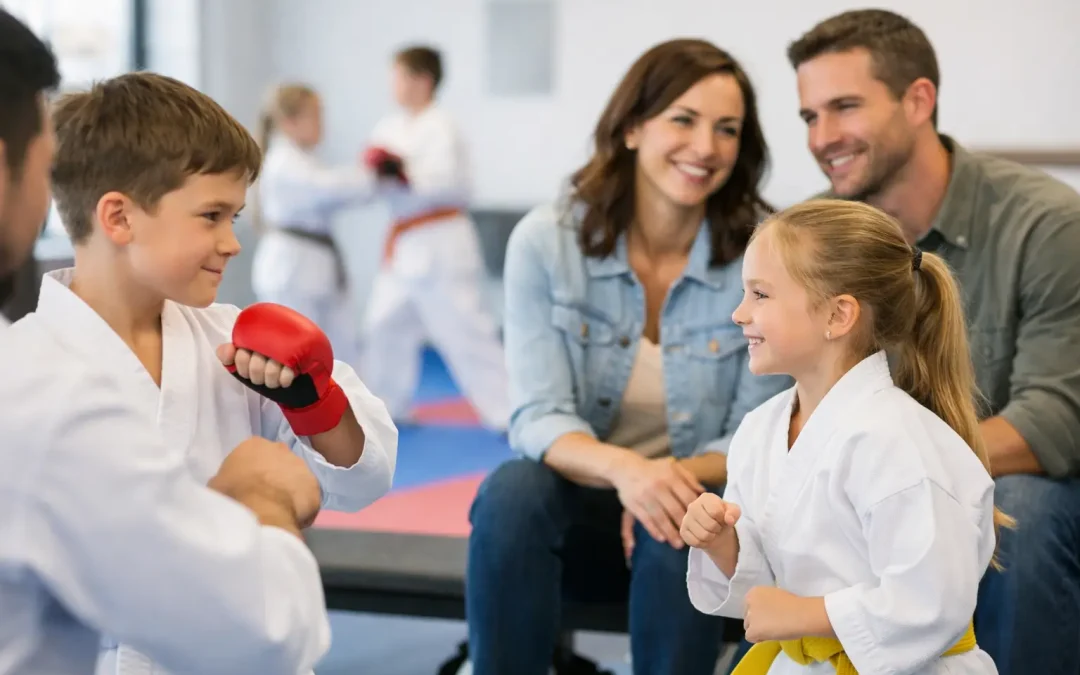
The right after-school activity should give your child more than another way to burn off energy. It should help them stand taller, listen with purpose, handle setbacks, and feel part of a positive group. If you have been searching for a parents guide to martial arts classes, start here: the best class is not simply the one with the biggest kicks or loudest drills. It is the one where your child feels safe, supported, challenged, and proud to improve.
Martial arts can be a powerful outlet for children of many personalities. A quiet child may find their voice. A high-energy child may learn to direct that energy with focus. A teenager may gain practical self-defense awareness and a healthier routine. But those benefits depend on choosing a program that matches your child, your family schedule, and the values you want reinforced at home.
Start With Your Child, Not the Style
Parents often begin by comparing styles, belts, uniforms, or class timetables. Those details matter, but your first question should be simpler: what does your child need right now?
Some children need a regular physical activity that gets them moving after a day of sitting at school. Others need help building confidence in new social settings. Your child may benefit from clearer boundaries, better concentration, or a constructive way to deal with frustration. A good martial arts program can support all of these areas, but no class should promise to change a child overnight.
Be honest about temperament, too. A child who is shy does not necessarily need to be pushed into the busiest class in the room. A child with lots of energy does not need an instructor who simply tells them to calm down. They need structure, clear expectations, and encouragement to make progress. The strongest instructors notice individual effort while maintaining standards for the whole group.
It also helps to discuss what martial arts is for before your child starts. Frame it as a chance to learn skills, improve fitness, practice respect, and work toward goals. Avoid presenting it as a way to become tough or win fights. Real confidence comes from self-control, not from trying to dominate someone else.
What a Good Martial Arts Class Looks Like
A quality class should feel organized from the moment families arrive. Children should know where to line up, when to listen, and how to take turns. The instructor should set a positive tone without turning every lesson into a lecture. Young students learn best when drills are active, age-appropriate, and explained clearly.
Look for a balance between discipline and enjoyment. Martial arts should ask children to focus, follow instructions, and show respect. It should also be fun enough that they want to come back next week. Training is most effective when children are engaged, not embarrassed or intimidated.
In freestyle kickboxing classes, children may develop coordination through controlled punches, kicks, footwork, pad drills, and fitness activities. They should be taught control from the beginning. Contact, if included at all, must be carefully managed according to age, experience, and the club’s safety rules. A good program does not rush beginners into situations they are not ready for.
Pay attention to how the instructor corrects mistakes. Firm guidance is useful. Humiliation is not. Your child should hear clear feedback about what to improve, along with recognition for effort, good manners, and persistence. That is how discipline becomes a life skill rather than something children only practice while standing in line.
Age-Specific Teaching Matters
A preschool-age child and a teenager should not be expected to train in the same way. Younger children need shorter activities, simple instructions, movement-based learning, and plenty of positive reinforcement. Their classes should build basic coordination, balance, listening, and confidence.
As children grow, they can take on more technical skills, greater responsibility, and longer periods of focused practice. Teenagers often benefit from a program that treats them with respect while keeping expectations clear. They may be motivated by fitness, self-defense, stress relief, social connection, or the satisfaction of earning progress through consistent work.
Ask how classes are grouped and whether instructors adjust teaching for different ages and abilities. A family-focused club should make every student feel that they belong, whether they are taking their first class or returning after a break.
Your Parents Guide to Martial Arts Classes: Questions to Ask
A trial class is the best way to see whether a program is the right fit. Before you commit, ask how new students are introduced, what safety procedures are in place, and how progress is measured. You can also ask what happens if a child feels nervous, misses a few sessions, or needs extra help with a particular skill.
Watch how current students behave when they are not directly being watched. Are they respectful to instructors and one another? Do older or more experienced students set a good example? Is there a sense of teamwork alongside individual achievement? The answers often tell you more than a brochure ever could.
You should also understand the practical side. Find out what equipment is needed at the start, whether there are additional costs, how often classes run, and what level of commitment is realistic. Starting with one or two regular sessions a week is often better than filling the calendar with activities your family cannot sustain.
A clear progression system can be motivating, especially when children enjoy working toward a new belt or grade. Still, progress should not be reduced to the color around a student’s waist. Look for a club that recognizes improved effort, attendance, technique, focus, and attitude. Those are the habits that stay with children long after a grading day.
Safety, Self-Defense, and Respect Go Together
Parents are right to ask about safety. Martial arts training should teach children how to be aware of their surroundings, use their voice, respect personal space, and seek help from a trusted adult when needed. Practical self-defense begins with avoiding trouble where possible, not with looking for a physical response.
In class, safety comes from skilled supervision, controlled drills, appropriate equipment, and students learning to respect boundaries. Children should understand that martial arts skills are for training and personal protection, never for showing off at school or settling an argument.
This message is especially valuable because it gives children a healthier definition of strength. Strength can mean walking away. It can mean speaking up. It can mean staying calm when someone else is trying to provoke a reaction. Training gives them a place to practice those choices under guidance.
Help Your Child Get the Most From Their First Months
The first few weeks can feel exciting and unfamiliar. Some children walk into their first class ready to lead the warm-up. Others stay close to a parent at the door. Both reactions are normal. Give your child time to settle in while encouraging them to keep trying.
You can support their progress by arriving a few minutes early, making sure they have water and comfortable training clothes, and treating class time as a regular commitment. After class, ask questions that go beyond whether they had fun. Ask what they practiced, what felt difficult, and what they did well. This shows that effort matters.
Try not to coach from the sidelines. Let the instructor lead the class and allow your child to build independence. If there is a concern, raise it privately with the instructor afterward. A good partnership between parents and coaches gives children consistent messages about respect, responsibility, and perseverance.
There may be days when your child says they do not want to go. That does not always mean the class is wrong for them. Everyone has off days, and learning to follow through on a commitment is part of the value. However, if your child repeatedly seems distressed, unsafe, or consistently excluded, take that seriously. Speak with the club and be willing to reassess. The right challenge helps a child grow; the wrong environment can shut them down.
Choose a Community Your Family Can Trust
Martial arts is most rewarding when it becomes part of a steady routine. Over time, children see that confidence is built through small actions: attending class, listening carefully, practicing a technique again, and responding well when something does not work the first time.
At Taylor Martial Arts, families in Carshalton, Croydon, and nearby areas can explore structured freestyle kickboxing classes designed to help children grow in fitness, focus, discipline, and self-belief. A free trial gives your child the chance to experience the class, meet the instructors, and decide whether the atmosphere feels right.
Give your child the opportunity to take that first step. The lesson they remember may not be the kick they learned that day, but the moment they realized they were capable of more than they thought.
Recent Comments