
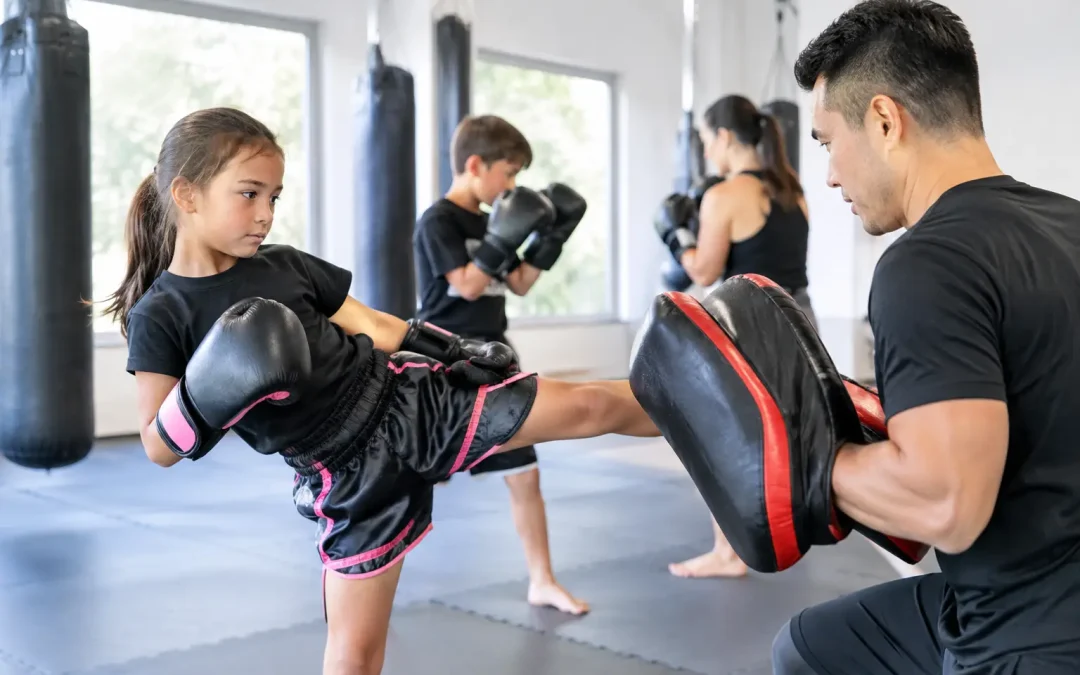
A good kickboxing club review should tell you more than whether people enjoyed a class. For parents, teens, and adults, the real question is whether a club provides a safe, structured place to build confidence, fitness, discipline, and practical skills week after week. The best training does not just make someone tired. It helps them feel capable, focused, and part of a positive community.
If you are comparing local kickboxing classes, look beyond star ratings and short comments. Pay attention to the way the club teaches, welcomes beginners, manages different ages, and supports progress. Those details shape whether martial arts becomes a lasting part of family life or another activity that fades after a few weeks.
What a Kickboxing Club Review Should Reveal
A useful review gives you a picture of the experience, not just the outcome. “Great class” is encouraging, but it becomes far more meaningful when it explains why. Did the instructor give clear guidance? Was the class well organized? Did a nervous child settle in quickly? Did an adult beginner feel included rather than out of place?
Look for comments about consistency. A single energetic session can make a strong first impression, but real development comes from regular, well-planned training. Families should notice whether reviews mention patient coaching, clear routines, respectful behavior, and instructors who know their students by name.
The most valuable feedback often comes from people with goals similar to yours. A parent looking for focus and confidence in their child should pay close attention to other parents’ experiences. An adult who wants fitness and self-defense should look for reviews that describe practical instruction, a welcoming atmosphere, and a pace that works for beginners.
Safety and Structure Come First
Kickboxing should be challenging, but it should never feel careless. A well-run club teaches students how to warm up properly, move with control, and use technique before power. Instructors should set clear expectations for partner work and make sure every student understands how to train safely.
For children, structure matters just as much as physical activity. A class should have a clear beginning, focused instruction, active practice, and a positive finish. This helps young students learn to listen, follow directions, and stay engaged. It also gives parents confidence that their child is being guided with care.
Ask how classes are divided by age and experience. A four-year-old and a teenager do not learn in the same way, and a first-time adult should not be expected to keep up with someone who has trained for years. Age-appropriate groups and beginner-friendly instruction are signs that a club takes progress seriously.
What Safe Training Looks Like
You do not need to be a martial arts expert to recognize good standards. Watch how instructors correct technique. The best coaches are calm, specific, and encouraging. They explain what to change, demonstrate it clearly, and help students try again without embarrassment.
Also notice the behavior around the room. Students should be respectful toward instructors and training partners. Controlled practice, clean equipment, and attentive supervision all contribute to an environment where people can learn confidently.
The Right Balance of Fitness and Life Skills
Many people first consider kickboxing because they want to get active. It is an excellent way to improve coordination, stamina, flexibility, and overall fitness. Classes can also offer a welcome break from screens, work pressures, and sedentary routines.
But a family-focused club should offer more than a workout. Martial arts gives children and adults regular opportunities to practice discipline, resilience, respect, and focus. Students learn that improvement comes from showing up, listening carefully, and continuing when a new skill feels difficult.
For children, this can carry into school and home life. A child who learns to stand confidently, respond respectfully, and keep trying after a mistake gains skills that matter well beyond the training floor. For adults, the same habits can bring a stronger sense of wellbeing and achievement.
A strong review often mentions these changes. Parents may describe a child becoming more confident or focused. Adults may talk about feeling fitter, less stressed, or proud of skills they once thought were beyond them. These are meaningful signs that the club is teaching with purpose.
A Welcoming Start Matters for Beginners
Starting any new activity can feel intimidating. This is especially true for people who worry they are not fit enough, coordinated enough, or experienced enough to join a kickboxing class. The right club removes that pressure from the first visit.
Beginners should be taught the basics without being rushed. They need time to understand stance, balance, movement, simple strikes, and safe practice. Good instructors do not expect perfection. They build skills step by step and celebrate steady effort.
Parents should look for a club where children are welcomed warmly but not allowed to drift without direction. Kindness and discipline belong together. Young students need encouragement, clear boundaries, and instructors who help them understand that respect is part of training.
At Taylor Martial Arts, the focus is on making martial arts accessible while keeping standards high. Students can develop at their own pace in a supportive setting, with classes designed to help children, teens, and adults become their best selves.
How to Read Reviews With a Clear Head
Online reviews are useful, but they are only one part of choosing a club. A five-star rating is positive, yet it does not automatically tell you whether the class schedule works for your family, whether the teaching style suits your child, or whether the atmosphere feels right when you walk in.
Read several reviews rather than relying on one. Look for repeated themes. If different families mention patient instructors, improved confidence, and a friendly community, that pattern is worth noticing. If reviews are vague, use them as a prompt to ask more questions during a visit.
It is also wise to consider what is not mentioned. Are there comments about clear communication, progress, and respect? Do people describe long-term participation? A club that retains students often does so because training feels worthwhile, relationships are positive, and each class has a sense of direction.
Questions Worth Asking Before You Join
A trial class is one of the best ways to see whether a club matches what you need. Before attending, ask whether there are classes for your age group, how new students are introduced, and what equipment is needed at the start. You may also want to ask how the club supports students who are shy, returning to fitness, or managing a busy family schedule.
During the class, pay attention to how you or your child feels. Is the instruction easy to follow? Is there enough activity to make the session enjoyable? Are students challenged without being overwhelmed? Does the instructor create an atmosphere where effort is valued?
For parents, it can help to watch whether their child leaves class energized and proud. For adults, consider whether you can imagine returning after a long day. The best club is not always the loudest or most intense. It is the one that motivates you to come back and keep improving.
Choose a Club That Supports the Whole Journey
Kickboxing progress is built over time. The first class may focus on learning a basic stance. A few months later, a student may move with more confidence, work through a demanding drill, or earn recognition for consistent effort. These small wins add up.
That is why the right club should feel like more than a place to exercise. It should be a community that expects students to work hard, supports them when they struggle, and recognizes the value of steady progress. Whether your goal is confidence for your child, practical self-defense, improved fitness, or a healthy new routine, choose a class where every session gives you a reason to return.
A free trial can turn research into a real answer. Step onto the training floor, meet the instructors, and see how the class feels. The right environment will make the next step feel possible.
Recent Comments