
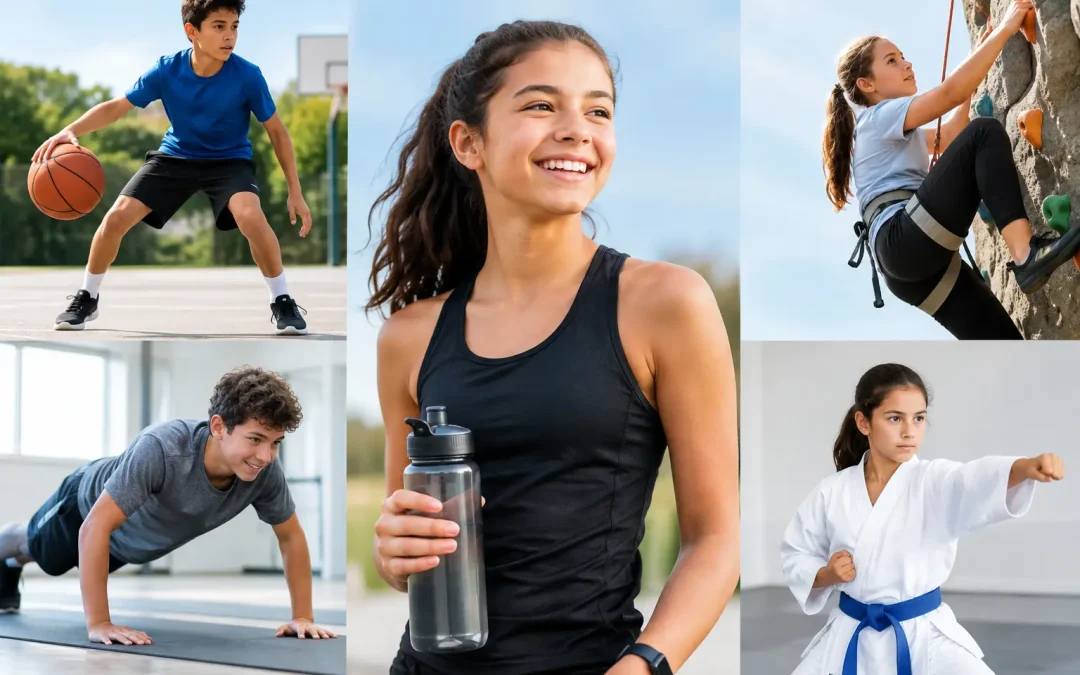
A child does not need to be the fastest on the field or the most naturally coordinated in the room to enjoy being active. The best youth fitness hobbies give children a place to improve at their own pace, feel proud of what they can do, and build habits that support them well beyond childhood.
For parents, the right activity is about more than using up energy after school. It can help a child manage stress, make friends, develop resilience, and learn how steady effort leads to progress. The goal is not to fill every afternoon with activities. It is to find a hobby your child will want to return to.
What Makes the Best Youth Fitness Hobbies Stick?
A fitness hobby works best when it offers more than a hard workout. Children are far more likely to stay engaged when they feel safe, included, and able to see themselves improving. That might mean learning a new kick, completing a climbing route, swimming an extra length, or becoming more confident working with a team.
Look for an activity with structure, especially if your child benefits from routine. Clear goals, supportive coaching, and age-appropriate challenges make fitness feel achievable rather than intimidating. A good class or club should encourage children without making them feel pressured to compete before they are ready.
It also helps to consider your child’s personality. Some children enjoy the shared energy of a team. Others prefer a more individual challenge where they can focus, practice, and progress without the attention of a scoreboard. Neither choice is better. The best fit is the one that helps your child feel capable and motivated.
1. Martial Arts and Kickboxing
Martial arts can be an excellent choice for children who need a positive outlet for energy while learning self-control. Freestyle kickboxing combines movement, coordination, fitness, and practical self-defense skills in a structured setting. Children learn to listen carefully, follow instructions, and treat training partners with respect.
The benefits extend beyond the class. Repeating techniques builds focus, while working toward new goals teaches patience and discipline. A child who once hesitated to try something new may gradually become more confident in school, at home, and with friends.
Martial arts are also highly adaptable. Beginners do not need to arrive fit, flexible, or experienced. Good instruction meets them where they are and helps them develop step by step. At Taylor Martial Arts, age-appropriate training gives children a welcoming route into fitness while keeping personal development at the center.
2. Swimming
Swimming is a lifelong skill as well as a full-body activity. It develops cardiovascular fitness, coordination, stamina, and confidence in the water without placing much impact on growing joints. That makes it especially useful for children who find running or contact sports uncomfortable.
For some children, swimming lessons feel repetitive at first. The key is finding a program that balances safety instruction with achievable progression. Once they can see their own improvement, from floating independently to learning new strokes, many children begin to enjoy the challenge.
Swimming may suit a child who prefers calm concentration over noisy group competition. It can also complement another activity, particularly for young people who want to improve their endurance.
3. Team Sports
Soccer, basketball, baseball, hockey, and similar sports can give children a strong sense of belonging. They encourage regular movement while teaching communication, cooperation, and how to handle both wins and disappointments with good character.
Team sports are often a great match for children who thrive around friends and enjoy fast-paced games. They can build confidence quickly when a child feels valued by teammates. At the same time, parents should be honest about the environment. A highly competitive club may inspire one child and discourage another.
Ask about coaching style before committing. The most positive youth programs teach skills and teamwork, give every child a chance to develop, and make respect for others part of the experience.
4. Dance
Dance is fitness with rhythm, expression, and creativity built in. Whether a child chooses ballet, hip-hop, jazz, contemporary, or a cultural dance style, they can improve balance, flexibility, posture, coordination, and body awareness.
It is a particularly good option for children who enjoy music or who do not connect with traditional sports. Dance classes often create a close community, and performances can help young people become more comfortable being seen and heard.
There is a trade-off to consider. Some dance programs are performance-focused and require substantial time outside class as children advance. For a child seeking a relaxed weekly hobby, look for a recreational program that still provides quality instruction without overwhelming pressure.
5. Gymnastics
Gymnastics develops strength, mobility, coordination, and confidence in movement. Children learn how their bodies move through space, from balancing and rolling to jumping, landing, and supporting their own weight safely.
The early skills can be valuable in almost any other sport. Gymnastics may help a child feel more coordinated in martial arts, soccer, dance, or general playground activity. It is also enjoyable for children who like clear challenges and the satisfaction of mastering a skill through practice.
Because gymnastics can become technically demanding, it is worth choosing a class that matches your child’s goals. Recreational gymnastics offers many of the physical benefits without requiring a competitive pathway. Safe coaching and proper progression should always come first.
6. Rock Climbing
Indoor climbing has become a popular choice for young people who enjoy solving problems as much as moving. Each route asks children to plan ahead, stay calm, use strength wisely, and keep trying when the first approach does not work.
Climbing builds grip strength, balance, coordination, and body awareness. It can be especially rewarding for children who are not drawn to team games but still want a social, active environment. They often encourage one another from the ground while working through their own individual challenges.
The main consideration is access. Climbing gyms may not be as convenient or affordable as a local class, and younger children need close supervision. Even so, occasional family climbing sessions can be a fun way to introduce the activity before committing to a regular program.
7. Cycling and Outdoor Riding
Cycling gives children freedom, fresh air, and a practical way to build fitness. It strengthens the legs, improves stamina, and can become a hobby the whole family shares. A bike ride to the park, along a safe trail, or around a local green space can feel less like exercise and more like an adventure.
For children who dislike formal classes, cycling may be an easier starting point. There is less pressure to perform and plenty of room to set personal goals, such as riding a little farther or tackling a new route.
Safety matters here. Make sure the bike fits properly, helmets are worn, and routes match your child’s confidence and traffic awareness. As skills grow, organized youth cycling groups can add coaching and companionship.
How to Help Your Child Choose a Fitness Hobby
Start with a trial rather than a long commitment. A single session can reveal a lot: whether the coach connects with your child, whether the group feels welcoming, and whether your child leaves energized rather than anxious. A little nervousness is normal when trying something new. Consistent dread is a sign to reconsider.
Keep the question simple: what did you enjoy? Children may not say they liked “cardiovascular fitness” or “coordination,” but they will tell you they liked learning a move, racing a friend, working with a partner, or getting better at something difficult.
Avoid choosing only based on what you enjoyed as a child or what seems most impressive to other parents. Your child’s interests may change, and that is healthy. The aim is to build a positive relationship with movement, not force a specific pathway.
Regular attendance matters more than instant talent. A child who enjoys one class each week and keeps showing up will gain far more confidence than one who is pushed into an activity they do not enjoy. Give them time, celebrate effort, and let fitness become a dependable part of their week.
Recent Comments