
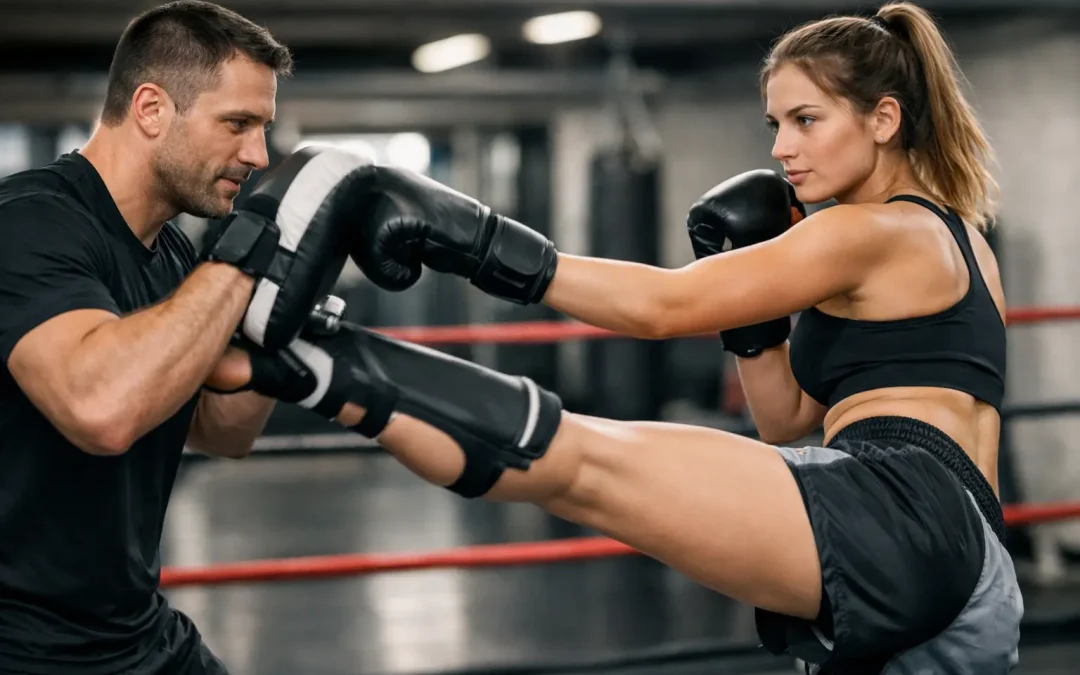
The first class can feel like the hardest step. You may wonder whether you need to be fit already, know how to throw a punch, or have the confidence to train alongside people with more experience. The answer to “is freestyle kickboxing good for beginners” is usually yes – when training is taught in a structured, supportive class that meets you where you are.
Freestyle kickboxing gives beginners a practical way to improve fitness, learn useful self-defense skills, and build confidence one session at a time. You do not need a fighting background. You need the willingness to learn, listen, and keep showing up.
Is Freestyle Kickboxing Good for Beginners? Yes, With the Right Class
A good beginner class does not expect you to perform perfectly on day one. It teaches the foundations clearly: stance, balance, guard, movement, basic punches, kicks, and how to train with control. These skills are built gradually, so students can develop sound technique before adding speed, power, or more challenging combinations.
That structure matters. Kickboxing can look fast and intimidating from the outside, but beginners should not be thrown into advanced drills or hard sparring before they are ready. Quality instruction creates a safe progression, with coaches correcting technique and helping each student work at an appropriate level.
For children, teenagers, and adults, this approach turns a new challenge into an achievable routine. Every class offers a small opportunity to improve: holding a stronger stance, remembering a combination, finishing a round, or having the courage to try something unfamiliar.
You Do Not Need to Be “In Shape” First
Many people put off martial arts because they believe they need to get fit before joining. In reality, training is often the thing that helps them become fitter. Freestyle kickboxing can improve cardiovascular endurance, coordination, mobility, strength, and overall energy levels through active, varied sessions.
Beginners can work at their own pace. A person returning to exercise after years away may need more breaks than someone who already runs or plays sports. That is normal. The goal is not to compete with the person next to you. The goal is to make steady progress from your own starting point.
For parents, this is especially valuable for children who do not enjoy traditional team sports. Kickboxing provides movement and challenge without requiring a child to be the fastest runner or the strongest player. They can focus on their own development while still being part of a positive group.
Fitness That Has a Purpose
Kickboxing training is more engaging than repeating the same gym workout. You may practice footwork, strike pads, perform bodyweight exercises, and learn combinations within the same class. There is a reason behind the movement, which helps many beginners stay motivated.
As fitness improves, everyday activities can feel easier too. Adults may notice more stamina, better posture, and a clearer way to manage stress. Children often benefit from a healthy outlet for their energy, along with better body awareness and coordination.
Confidence Comes From Practice, Not Perfection
Confidence is not about being loud or fearless. Real confidence comes from knowing that you can stay calm, learn a skill, and handle a challenge when it feels difficult. Freestyle kickboxing creates regular opportunities to build that belief.
At first, a student may feel awkward with a guard position or struggle to remember a combination. With patient instruction and repetition, those movements begin to feel natural. The student sees proof that effort leads to improvement. That lesson carries beyond the training floor.
For children and teens, martial arts can support confidence at school, in social situations, and when facing setbacks. They learn that mistakes are part of training, not a reason to give up. For adults, stepping into a new class can be a powerful reminder that it is never too late to develop a new skill.
A supportive class environment is essential here. Students should feel encouraged to ask questions, take their time, and celebrate progress without feeling judged. Respect for instructors and training partners helps everyone feel safe enough to grow.
Practical Self-Defense Starts With Awareness and Control
Beginners are often interested in kickboxing because they want practical self-defense skills. Training can help by teaching body positioning, distance, balance, awareness, and controlled striking. These are useful foundations that can increase a person’s confidence in their ability to respond sensibly under pressure.
However, good self-defense training is not about encouraging people to fight. The best outcome is avoiding danger whenever possible. Students learn the value of awareness, clear boundaries, calm decision-making, and using physical skills only when there is no safer option.
This is one reason discipline is central to martial arts. Learning to strike should always be paired with learning restraint. Beginners are taught that strength is not about intimidation. It is about control, respect, and responsibility.
What Beginners Should Expect in Their First Few Classes
Your first sessions are about getting comfortable. An instructor will normally introduce basic positions, simple strikes, and movement patterns before building them into combinations. You may work on pads or practice drills with a partner, always with clear rules and supervision.
You will probably work up a sweat, but you should not feel pressured to keep pace with experienced students. It is fine to pause, ask for a movement to be shown again, or adjust the intensity when needed. Good training challenges you while still allowing you to learn safely.
Wear comfortable workout clothes, bring water, and arrive ready to listen. You do not need expensive equipment to discover whether kickboxing is right for you. Most importantly, give yourself permission to be new. Everyone in an experienced class began by learning the same basics.
A Note on Sparring
Some beginners worry that joining kickboxing means getting hit straight away. It should not. Sparring is a controlled training activity that comes later, when students have developed technique, awareness, and confidence. It is never a shortcut to progress.
In a well-run program, sparring is introduced carefully, with suitable protective equipment, clear boundaries, and an emphasis on control. Many students enjoy the fitness, skills, and confidence of kickboxing without making sparring their main focus.
Why Age-Appropriate Training Makes a Difference
Children are not small adults, and their classes should not be treated that way. Younger students benefit from lessons that develop listening, focus, coordination, and respect through engaging activities. As they grow, training can introduce more detailed technique, fitness goals, and personal responsibility.
Teenagers often benefit from having a positive place to challenge themselves. Martial arts gives them a routine, supportive role models, and a constructive way to release stress while improving physical fitness. It also teaches them to work with others respectfully, even when training feels demanding.
Adults need a different balance. They may be looking for fitness after work, confidence, a social hobby, or practical self-defense skills. A welcoming adult class should be challenging without assuming everyone has the same fitness level, schedule, or previous experience.
At Taylor Martial Arts, the focus is on helping every student develop at their own pace in a family-friendly community. Whether a child is taking their first class or an adult is returning to exercise, progress is built through consistent training, discipline, and encouragement.
The Trade-Off: Results Require Consistency
Freestyle kickboxing is beginner-friendly, but it is not effortless. Improving technique, fitness, and confidence takes regular practice. One class may leave you energized, but a steady routine is what creates lasting change.
The good news is that you do not need to train every day. Attending class consistently, practicing the basics, and staying patient with yourself can produce meaningful progress over time. Some weeks will feel easier than others. What matters is returning, learning, and continuing to move forward.
If you are looking for an activity that strengthens the body while building focus, respect, and self-belief, freestyle kickboxing is a strong place to start. Take the first class at your own pace, keep an open mind, and let each small improvement show you what you are capable of.
Recent Comments