
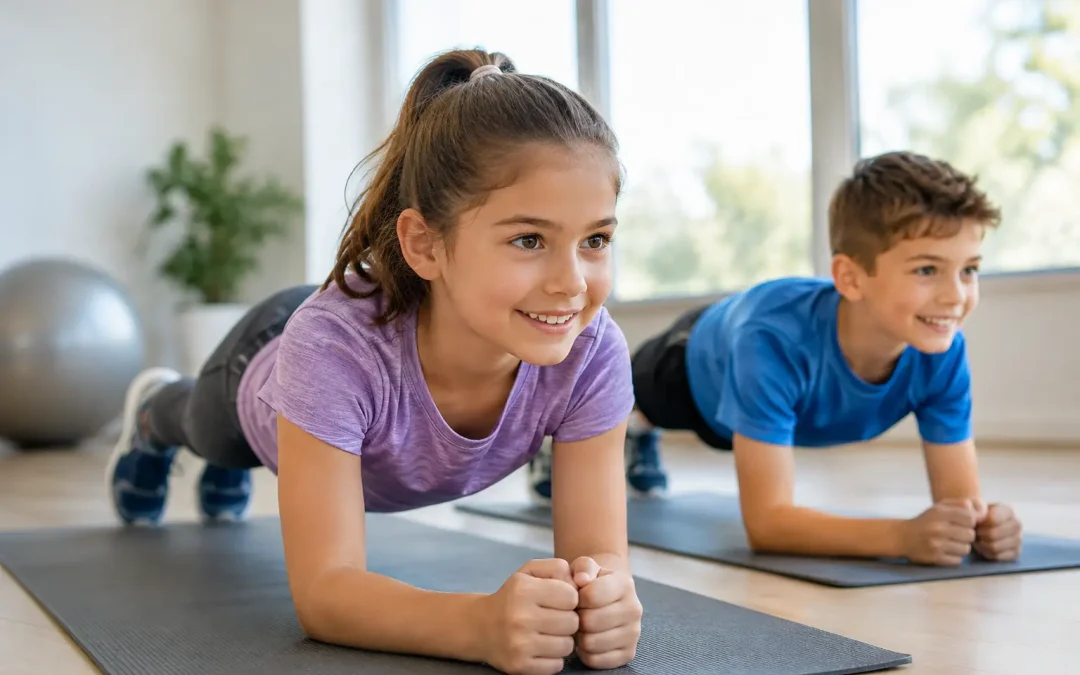
A child who has been sitting at a desk all day does not always need more screen time or another lecture about being active. Often, they need a place to move with purpose, be encouraged, and feel proud of what their body can do. Kids fitness is most powerful when it feels less like a chore and more like a skill they want to practice.
For many families, martial arts offers that balance. It gives children an energetic outlet while teaching them how to listen, persevere, respect others, and handle challenges with a steady mindset. The goal is not to create elite athletes. It is to help children build healthy habits and the confidence to carry them into school, friendships, and family life.
Why Kids Fitness Means More Than Exercise
Children need regular movement for strong muscles and bones, coordination, heart health, and sleep. Yet the benefits of a good fitness activity reach further than physical development. When a child learns to keep trying after missing a kick or finding a drill difficult, they are practicing resilience. When they line up, listen, and take turns, they are strengthening focus and social skills.
The best activities give children structure without taking away the fun. A class should feel welcoming from the first session, but it should also have clear expectations. Children tend to thrive when they know what is expected, see progress over time, and receive recognition for genuine effort.
This is especially valuable for children who are not drawn to traditional team sports. Some enjoy competition; others find it stressful. Martial arts can be a strong alternative because progress is personal. A child can work on their own balance, technique, fitness, and attitude while still training as part of a supportive group.
How Martial Arts Supports Kids Fitness
Freestyle kickboxing is a full-body activity. Classes can include movement drills, controlled kicking and punching techniques, footwork, core work, stretching, and exercises that improve coordination. Children stay engaged because the session has variety and a clear purpose behind each activity.
Strength, balance, and coordination
Growing bodies are still learning how to move efficiently. Kicking with control, holding a strong stance, and changing direction all develop balance and body awareness. These skills can support everyday activities, from running around the playground to taking part in other sports.
Fitness for children does not need to mean heavy weights or exhausting workouts. Age-appropriate training uses movement, repetition, and good technique to help children become stronger safely. The focus should be on learning control, not pushing children beyond what their bodies are ready for.
Focus and discipline
A child may arrive at class full of energy. That is completely normal. Over time, training teaches them when to use that energy and when to pause, listen, and reset. Following instructions, remembering combinations, and practicing a technique carefully can improve concentration in a way that feels active rather than forced.
Discipline is not about being harsh. It is about helping children understand that consistent effort matters. Turning up, trying again, and treating instructors and training partners with respect are habits that have value far beyond the class floor.
Confidence without the pressure to be perfect
Confidence grows through evidence. When children learn a new move, improve their fitness, or earn recognition for their progress, they can see that effort leads somewhere. That feeling is more lasting than empty praise.
A well-run martial arts class also teaches humility. Everyone starts somewhere, and everyone has skills to improve. Children learn that mistakes are part of training, not a reason to give up. For a shy child, that can be a gentle way to become more comfortable speaking up and joining in. For a child with lots of confidence already, it can teach patience and respect for others.
Choosing the Right Fitness Activity for Your Child
There is no single activity that suits every child. The best choice depends on their age, personality, interests, schedule, and what your family hopes they will gain. A child who loves team spirit may enjoy soccer or basketball. A child who prefers individual progress, clear routines, and practical skills may feel at home in martial arts.
Look beyond whether your child comes home tired. Physical activity matters, but a quality program should also be safe, structured, and encouraging. Ask whether classes are grouped appropriately by age and ability, whether instructors can support beginners, and whether children are taught to work with control.
It is also worth considering the atmosphere. Children are more likely to stay active when they feel they belong. A positive class community helps them make friends, learn respectful behavior, and feel comfortable asking for help when they are unsure.
Making Fitness a Habit at Home
One class a week can be a great start, but healthy habits are built through regular movement. This does not mean parents need to create a strict training schedule at home. Small, realistic choices make a difference: walking together, playing outside, practicing a few simple stretches, or putting on music for a family dance break.
The key is to avoid making movement feel like punishment. If a child hears exercise used as a consequence, they may begin to associate activity with shame. Instead, connect movement with energy, enjoyment, learning, and feeling strong.
Parents can also support progress by asking better questions after class. Rather than only asking, “Did you win?” try asking what they learned, what felt challenging, or what they were proud of. These conversations show children that character, effort, and improvement matter as much as ability.
What a Good Martial Arts Class Looks Like
For beginners, the first few sessions should build comfort as well as skills. Children need clear instruction, suitable activities, and instructors who know how to encourage them without doing everything for them. They should be challenged, but never made to feel embarrassed for being new.
A strong class has routines. Children learn how to line up, warm up, practice safely, and show respect to those around them. There should also be energy and enjoyment. Games and drills can make fitness engaging, while the martial arts structure gives that energy direction.
Safety is central. Training should be age-appropriate, supervised, and based on controlled techniques. Practical self-defense education is about awareness, confidence, and responsible decision-making, not encouraging children to seek conflict. The strongest message is simple: use your skills to stay safe, show respect, and walk away from trouble whenever possible.
A Place to Grow, One Class at a Time
At Taylor Martial Arts, children can train in a family-focused environment where fitness, confidence, discipline, and respect are developed together. Classes are designed to meet children where they are, whether they are taking their first steps into martial arts or ready to build on existing experience.
A free trial class can be a useful first step for families who want to see whether the routine feels right. It gives children the chance to meet the instructors, join the group, and experience the positive challenge of training for themselves.
The most valuable kids fitness program is not necessarily the one that promises the quickest result. It is the one your child feels proud to return to, where each class gives them another reason to believe, “I can do hard things.”
Recent Comments