
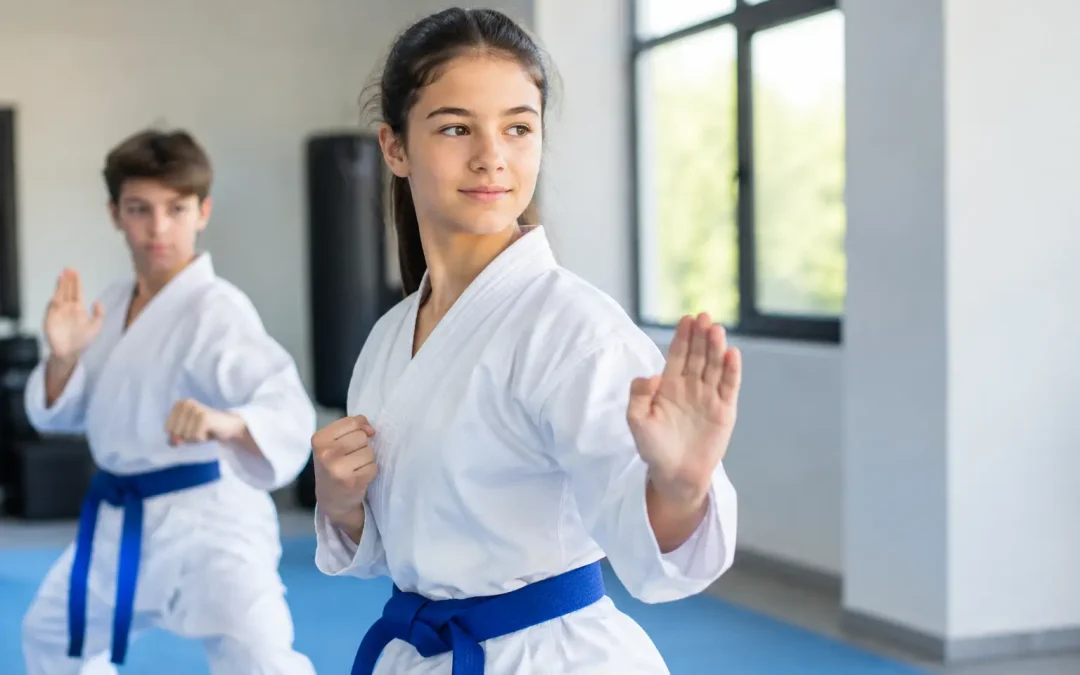
A shy child may stand behind a parent at the door, avoid eye contact, or worry about joining a group activity. A shy adult may want to get fitter or learn self-defense but feel uncomfortable walking into a new class alone. So, are martial arts classes good for shyness? For many people, the answer is yes – provided the class is welcoming, structured, and taught at the right pace.
Martial arts do not ask someone to become the loudest person in the room. They give them a steady way to practice being present, speaking up when needed, and recognizing their own progress. In a supportive kickboxing class, confidence is built through small, repeatable wins: learning a stance, remembering a combination, joining a partner drill, or earning recognition for focused effort.
Why Shyness Can Feel So Big
Shyness is not a flaw. Some children and adults simply take longer to feel comfortable in unfamiliar places or around new people. They may be thoughtful observers, prefer smaller groups, or need time to trust an instructor and settle into a routine.
The challenge comes when shyness starts limiting everyday life. A child might avoid sports, school activities, or making new friends. An adult might turn down social opportunities, avoid fitness classes, or feel unable to set clear boundaries. The goal is not to change a quiet personality. It is to help that person feel capable enough to take part when they want to.
That distinction matters. Good martial arts training respects each student’s starting point while encouraging them to take the next manageable step.
How Martial Arts Classes Help With Shyness
Martial arts offer something that many social settings do not: a clear structure. Students know where to stand, what to practice, when to listen, and what comes next. That predictability can make a new environment feel far less overwhelming.
A routine makes new situations easier
Classes usually follow a familiar pattern: arrive, warm up, practice techniques, work with others, and finish together. Over time, the room, the instructor, and the other students become familiar. For someone who feels nervous in unstructured social situations, this routine provides a safe foundation.
There is no pressure to make instant conversation or perform a big personality. Students can focus on the lesson first. Social confidence often grows naturally from there.
Progress gives confidence real evidence
General encouragement is helpful, but progress is more powerful when a student can feel it. A person who could not hold a strong guard in their first class may soon complete a full combination with focus. A child who barely spoke during the first few sessions may confidently answer an instructor’s question or partner with someone new.
Martial arts create regular opportunities to see improvement. This teaches an important lesson: confidence is not something a person either has or does not have. It is something built through practice, patience, and effort.
Respectful partner work builds social skills
Many beginners worry that martial arts will involve being thrown into intense contact straight away. In a well-run beginner class, training is introduced carefully and safely. Partner activities are supervised, age-appropriate, and based on control and respect.
Working with a partner helps shy students practice simple social skills without making those skills the main event. They learn to listen, take turns, follow instructions, encourage another person, and communicate clearly. These are useful habits at school, at work, and in everyday relationships.
Physical posture can change how someone feels
Standing tall, keeping the eyes up, and moving with purpose are part of martial arts training. These skills are practical for self-defense, but they can also influence how a person feels about themselves.
A stronger posture does not erase nervousness. It can, however, help students feel more grounded when they are nervous. When they learn that they can stay calm, protect their space, and follow through on a task, they often carry that feeling beyond the training floor.
Are Martial Arts Classes Good for Shyness in Children?
For children, martial arts can be especially valuable because it combines movement, clear boundaries, and positive role models. Rather than being judged for being quiet, children are encouraged to listen, focus, try, and improve.
An age-appropriate class should give children achievable challenges. Younger students may begin by following simple instructions, taking part in group warm-ups, and practicing basic movements. As they become more comfortable, they can take on partner drills, leadership moments, and grading goals.
Parents often notice changes outside class as well. A child may become more willing to speak to adults, join a school activity, handle small setbacks, or explain what they learned that day. These changes may be gradual, and that is a good sign. Lasting confidence rarely arrives all at once.
It also helps children understand that discipline is not punishment. It is the ability to keep trying, pay attention, and treat others with respect. Those values give a shy child a dependable sense of belonging within the group.
Adults Can Benefit Too
Shyness does not disappear simply because someone grows older. Adults may feel self-conscious about their fitness level, their coordination, or being a beginner. They may worry that everyone else already knows what they are doing.
The right class removes much of that pressure. Beginners should be taught the basics without judgment and given time to develop at their own pace. There is satisfaction in learning a useful skill, improving fitness, and becoming part of a community where people recognize your effort.
For adults, kickboxing can also offer a healthy break from work and daily responsibilities. Training requires focus. For an hour, the attention moves away from overthinking and toward breathing, movement, technique, and steady improvement. That can make social interaction feel less forced and more natural.
What to Look for in a Class
Not every martial arts environment will suit every shy person. A highly competitive room or an instructor who relies on embarrassment may make anxiety worse, particularly for a nervous beginner. A good class should be challenging, but challenge and intimidation are not the same thing.
Look for instructors who learn students’ names, explain expectations clearly, and correct mistakes with patience. The group should value control, safety, discipline, and respect. Students should be encouraged to work hard without being compared harshly to others.
It is also worth considering class size and age group. Children often feel more settled when they train with others at a similar stage of development. Adults may prefer a beginner-friendly session where nobody expects prior experience. A free trial is a useful way to see whether the atmosphere feels right before making a commitment.
At Taylor Martial Arts, family-focused freestyle kickboxing classes are designed to help beginners build fitness, practical skills, focus, and confidence in a supportive community setting.
Helping a Shy Student Get Started
The first class can still feel like a big step. Parents can help by arriving a little early, explaining what will happen, and allowing their child to watch briefly if needed. Avoid promising that they will instantly love it or make friends right away. Instead, focus on one simple goal: try the class and see how it feels.
Adults can use the same approach. There is no need to prove anything in the first session. Wear comfortable training clothes, listen carefully, and allow yourself to be new. Most confident martial artists began exactly there.
Consistency matters more than one perfect class. A student may be quiet for several weeks before they begin to relax. Celebrate effort: showing up, joining the warm-up, practicing with a partner, or staying for the full session. Those are meaningful steps.
Confidence Without Losing Who You Are
Martial arts are not designed to turn every shy person into an extrovert. They are designed to help people become more capable, focused, and secure in themselves. A quiet child can still become a confident child. A reserved adult can still set boundaries, meet new people, and walk into unfamiliar situations with greater ease.
The best result is not a louder personality. It is someone who knows they can handle a challenge, treat others with respect, and keep moving forward even when they feel nervous. For anyone who has been holding back, one beginner-friendly class can be a calm, practical place to start.
Recent Comments