
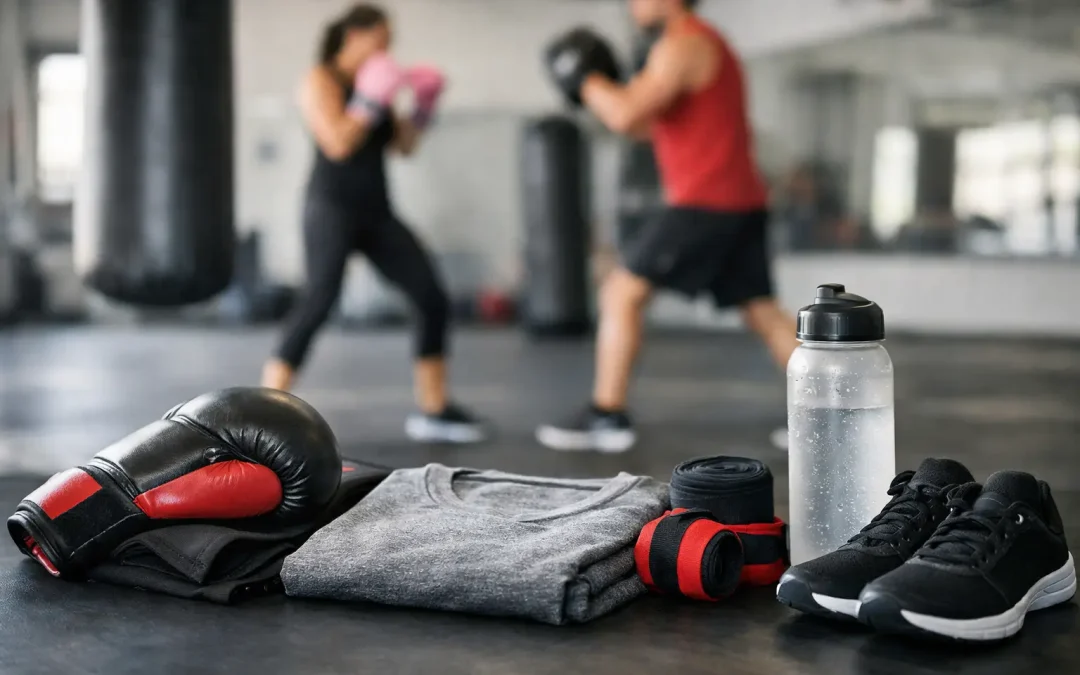
You should be thinking about your first kick, not whether your outfit will hold you back. If you are wondering what to wear to kickboxing class, start with clothing that lets you move freely, stays comfortable when you sweat, and helps you feel ready to learn.
You do not need to arrive looking like a professional fighter. A good beginner outfit is simple, practical, and clean. The right kit supports focus, confidence, and safe training, whether you are joining an adult class, bringing your child to their first session, or returning to exercise after time away.
What to Wear to Kickboxing Class
For most first classes, a breathable T-shirt or sports top with shorts, leggings, or lightweight athletic pants is the right choice. Your clothes should allow you to lift your knees, extend your legs, turn your hips, and raise your arms without pulling, slipping, or distracting you.
Choose fitted but comfortable clothing. It should not be so tight that it restricts movement, but it should not be baggy either. Loose sleeves, wide-legged pants, and oversized hoodies can catch on gloves or pads and make it harder for an instructor to see your technique clearly.
Avoid clothing with hard zippers, large buttons, dangling cords, or sharp decorations. Kickboxing involves partner drills, pad work, and active movement, so simple athletic clothing is usually the safest option.
Tops that work well
A moisture-wicking T-shirt, athletic tank top, or close-fitting long-sleeve training top is ideal. Cotton is perfectly fine for a first class, especially if that is what you already have, although it can feel heavy once you begin to sweat. If you plan to train regularly, sports fabric that dries quickly may feel more comfortable.
For children, choose a top they can move in without constantly adjusting it. A comfortable T-shirt is usually better than something they are worried about keeping clean or looking after during class. When young students are comfortable, they can give more attention to listening, respect, and learning the drills.
Bottoms that let you kick freely
Athletic shorts are a popular choice because they give your legs room to move. Look for a pair that is not too long or restrictive around the knees. Running shorts, training shorts, or kickboxing-style shorts can all work well.
Leggings and joggers are also suitable, particularly if you prefer more coverage. They should stretch easily and stay in place as you squat, lunge, and kick. Avoid jeans, stiff pants, skirts, and anything that makes it difficult to move your hips or bend your knees.
If you wear leggings or fitted shorts, choose underwear that is comfortable and supportive for exercise. The goal is not a particular style. It is being able to train with confidence and without distraction.
Should You Wear Shoes for Kickboxing?
This depends on the class and training space. Some kickboxing programs train barefoot, while others use clean indoor athletic shoes or martial arts footwear. Do not assume that the shoes you wear to arrive are suitable for the mat or training floor.
For your first session, bring a pair of clean indoor sneakers if you have them and ask the instructor what is expected. If your class trains barefoot, remove shoes and socks only when directed. If shoes are worn, choose lightweight trainers with good grip and avoid heavy outdoor shoes that can mark floors or make quick footwork harder.
Barefoot training can help students develop balance, foot control, and awareness of how they move. On the other hand, supportive indoor shoes may be a better fit for some classes or for students who are not comfortable training barefoot. Follow the club’s guidance, especially for children, as each program may have its own routine.
What Safety Gear Do You Need?
At a first kickboxing class, you may not need to buy everything before you arrive. Many beginner sessions focus on stance, movement, basic punches, controlled kicks, and fitness drills. A quality club will explain what equipment is needed as you progress and when it makes sense to get it.
As training develops, students may use gloves, hand wraps, shin guards, and a mouthguard. These items are designed to protect both you and your training partner during pad work and controlled partner practice.
Hand wraps support the wrists and knuckles inside boxing gloves. Gloves protect the hands and soften impact when working on pads. Shin guards become useful when students begin controlled kicking drills with a partner. A properly fitted mouthguard is especially valuable if contact-based drills are part of your level of training.
Do not buy the first set of gear you see just because it looks impressive. Fit matters. Gloves that are too loose can affect wrist support, while shin guards that slide around will be frustrating and less protective. Ask your instructor for guidance on the right equipment for your age, class, and goals.
Jewelry, glasses, and hair
Remove rings, watches, bracelets, necklaces, and dangling earrings before class. Even small items can catch on clothing, gloves, or pads. This is a simple step that protects you and the people training around you.
If you wear glasses, speak to your instructor before the session. Some students can train safely in secure sports glasses, while others may prefer to remove them for certain drills. Your comfort and safety come first.
Long hair should be tied back securely with a soft hair tie. Avoid large clips or hard accessories that can become uncomfortable during movement. For children, taking a moment to tie hair up before class helps them stay focused from the warm-up onward.
What Not to Wear to a Kickboxing Class
You do not need expensive martial arts clothing, but a few items are best left at home. Jeans restrict kicking and can tear. Heavy sweatshirts trap heat and make it harder to see body position. Open-toe shoes, sandals, and boots are not suitable for active training.
Avoid strongly scented products as well. Kickboxing is a close, active class, and consideration for training partners is part of respect. Bring a water bottle, arrive in clean clothes, and make sure nails are trimmed short. These small habits help create a welcoming environment where everyone can train safely.
Dressing for Your Child’s First Class
Parents often want to make sure their child has every item before the first lesson. In most cases, comfort is all that is needed. A T-shirt, shorts or leggings, and any footwear requested by the instructor will help your child get started.
The bigger priority is helping them arrive relaxed and positive. Let them know that nobody expects them to know every move straight away. A first class is about listening, trying new skills, meeting the group, and building confidence one step at a time.
Pack water and, if needed, a light layer for before and after class. Label personal items clearly, particularly gloves or shin guards once your child begins using their own equipment. Good preparation teaches responsibility without putting pressure on them to be perfect.
Preparing for a Comfortable First Session
Eat a light meal or snack one to two hours before training so you have energy without feeling overly full. Drink water throughout the day, then bring a bottle to class. You may sweat more than expected, especially during your first warm-up, so a small towel can be useful.
Arrive a few minutes early in your training clothes and let the instructor know it is your first session. This gives you time to ask about footwear, equipment, and any injuries or concerns. At Taylor Martial Arts, beginners are encouraged to learn at their own pace while still giving their best effort.
Your clothing is there to support the work, not define your ability. Wear something you can move in, bring a positive attitude, and give yourself permission to be a beginner. The first class is where stronger habits, better fitness, and greater confidence begin.
Recent Comments