
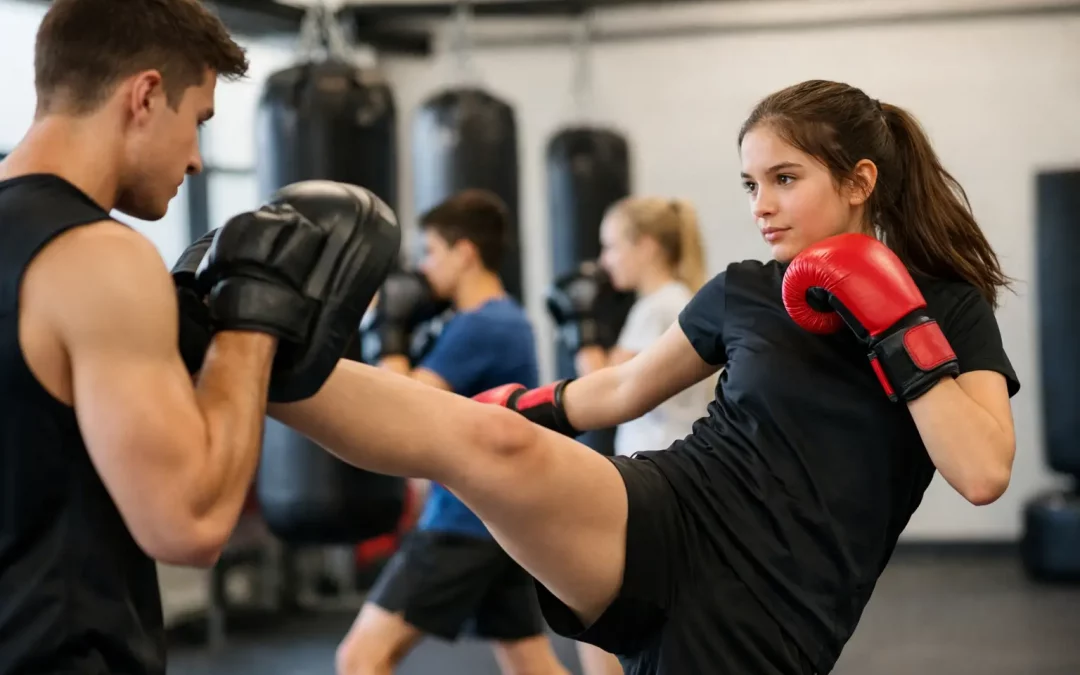
A teen who spends an hour training with purpose is doing more than throwing punches and kicks. They are learning to listen, work through challenges, manage their energy, and see what steady effort can achieve. When parents search for teen kickboxing classes near me, they are often looking for that combination: a positive activity that gets their teenager moving while building confidence that carries into school, friendships, and everyday life.
The best class is not necessarily the closest one or the toughest-looking one. It is a place where teens can train safely, feel welcome, and be encouraged to improve at their own pace. A good kickboxing program gives them structure without taking away the enjoyment that keeps them coming back.
Why kickboxing is a strong choice for teenagers
Teen years can bring busy schedules, academic pressure, changing friendships, and plenty of screen time. Kickboxing gives young people a regular space to focus on themselves. Training challenges the whole body, but it also gives the mind a clear job: pay attention, follow instruction, stay composed, and keep going.
Classes build fitness through movement that feels purposeful. Teens develop coordination, balance, stamina, flexibility, and strength as they practice techniques and combinations. Unlike exercise that can feel repetitive, martial arts gives them goals to work toward. A cleaner technique, better control, or the confidence to take part in a new drill can be a real achievement.
Just as valuable are the habits developed along the way. Showing up on time, wearing the correct kit, respecting training partners, and accepting feedback all reinforce discipline and responsibility. These are life skills, not just martial arts skills.
What to expect from teen kickboxing classes near you
A well-run teen class should feel organized from the moment students arrive. There should be a clear warm-up, carefully explained instruction, supervised partner work, and time to practice what has been learned. Teens need enough challenge to stay engaged, but they also need coaching that meets them where they are.
Freestyle kickboxing training often includes stance, footwork, blocks, punches, kicks, movement, and controlled combinations. Students may work on pads, bags, or drills with a partner. The focus should be on technique, control, and awareness rather than simply hitting as hard as possible.
For beginners, the first few classes can feel unfamiliar. That is completely normal. A supportive instructor will break techniques into manageable steps and make sure new students understand how to train safely. More experienced teens should still receive individual attention and fresh goals, so they continue developing rather than repeating the same routine.
Safety should be clear, not assumed
Kickboxing is active and physical, which is exactly why supervision matters. Look for classes that set expectations around controlled contact, correct equipment, respectful behavior, and listening carefully to instructors. Young people should never feel pressured to spar before they are ready, and no student should be made to feel embarrassed for asking questions.
The right environment teaches confidence without encouraging aggression. Self-defense training should help teens become more aware, composed, and capable. It is about using good judgment and understanding that avoiding trouble is always better than escalating it.
How to choose the right local class
Location matters, especially for families balancing school, homework, work, and other commitments. A class in Carshalton, Croydon, or a nearby South London area is more likely to become part of a teen’s routine if getting there is realistic each week. However, convenience should not be the only deciding factor.
Visit or try a class and pay attention to the atmosphere. Are instructors speaking to students with respect? Do the teens appear focused and included? Is there a mix of friendly encouragement and clear standards? A good martial arts club should feel welcoming, but it should also have boundaries that help every student train well.
Ask how the program groups students. Teenagers are at different stages physically and emotionally, so age-appropriate training is important. A class designed for youth development will recognize that a quiet 13-year-old beginner may need a different approach from a confident 16-year-old who has trained for years.
It is also worth considering what your teen wants from training. Some want a new way to get fit. Some are looking for confidence after a difficult school experience. Others enjoy the social side or want practical self-defense skills. The right program can support all of these goals, but it should not promise instant transformation. Confidence grows through consistent effort, one class at a time.
The benefits parents often notice first
Parents may enroll a teen because they want them to be more active, but the changes can reach much further. Over time, many young people become more comfortable speaking up, more willing to try difficult tasks, and better able to handle setbacks. Martial arts gives them regular opportunities to practice being a beginner, making mistakes, and trying again.
The routine can be especially helpful for teens who find it hard to switch off after school. Training gives them a healthy outlet for stress and a break from phones, gaming, and social media. They leave class having worked hard, but often feeling clearer and calmer.
There is a social benefit, too. Kickboxing creates connection without requiring teens to be the loudest person in the room. They train alongside others, hold pads, encourage partners, and share the experience of learning. For some, that sense of belonging becomes one of the strongest reasons to keep attending.
Progress is personal, but consistency matters
Not every teen will want to compete, and they do not need to. For many families, the value of kickboxing is in regular participation, personal progress, and the positive standards around the class. A student can succeed by becoming fitter, more focused, more respectful, or simply more confident walking into a new situation.
That said, progress needs commitment. One class may be exciting, but meaningful improvement comes from attending regularly and practicing with attention. Parents can support this by treating training as a valued part of the week, while allowing their teen to take ownership of their goals.
Avoid putting too much pressure on quick results. Some teenagers settle in immediately, while others need a few sessions to find their confidence. The most effective instructors know how to encourage both. They recognize effort, give specific feedback, and help students understand that discipline is built through small decisions repeated over time.
A family-friendly place to start
A free trial is a sensible way to see whether a class is the right fit. It lets a teen experience the pace of training, meet the instructor, and decide how they feel in the group before making a commitment. It also gives parents a chance to see the standards, safety, and community for themselves.
At Taylor Martial Arts, teens can train in a supportive, structured environment that values fitness, focus, respect, and practical self-defense. The aim is not to turn every student into a fighter. It is to help each young person become stronger in body and character.
The best local class is the one your teen can return to with pride. Give them the chance to try a session, take that first step onto the training floor, and discover what consistent encouragement and effort can build.
Recent Comments