
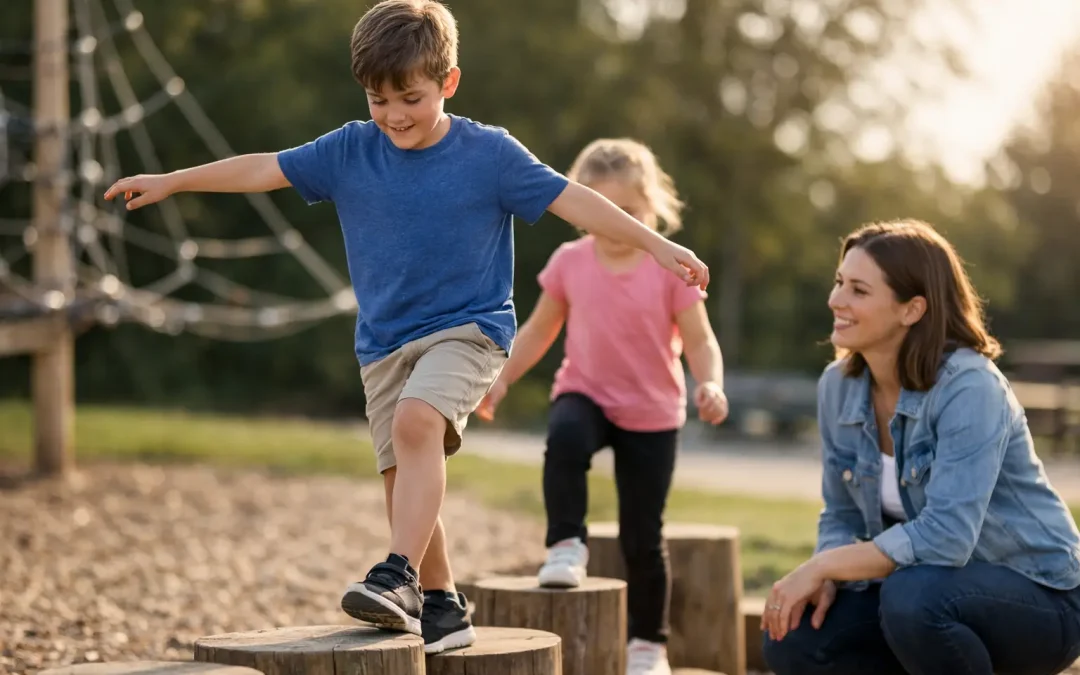
A child misses a kick, loses their balance, or struggles to remember a sequence. Their first reaction may be frustration. The next moment matters. When adults help them pause, reset, and try again, they teach children resilience in a way that feels real, not like a lecture.
Resilience is not about telling children to ignore disappointment or “toughen up.” It is the ability to face a challenge, manage the feelings that come with it, learn from the experience, and keep moving forward. For parents, that is one of the most valuable life skills a child can build.
Children develop resilience through repeated experiences of effort, support, and progress. Structured activities such as martial arts can be especially helpful because they give children regular, age-appropriate chances to practice all three.
Why Martial Arts Helps Teach Children Resilience
A martial arts class gives children a clear challenge with a clear path forward. They may not get a movement right immediately. They may find a fitness drill difficult or feel nervous working with a partner. But they are not left to figure it out alone. They receive instruction, encouragement, and another opportunity to practice.
That cycle matters: try, struggle, listen, adjust, and try again. Over time, children begin to see that being unable to do something yet is not the same as failing. It simply means they have another skill to work on.
Freestyle kickboxing also makes progress visible. A child may begin by learning stance, balance, focus, and safe movement. Later, they notice they can hold a position longer, remember more combinations, or respond calmly when a drill becomes challenging. These small wins build self-belief because they are earned through consistent effort.
Martial arts should never be about pushing a child beyond what is safe or appropriate. Good instruction combines high expectations with patient guidance. Children need to feel challenged, but they also need to know that mistakes are normal and asking for help is a strength.
Start With the Language You Use After Setbacks
Parents and instructors do not need a perfect speech when a child is upset. A few calm, specific words are often more useful than broad praise.
Instead of saying, “You’re fine,” try acknowledging what happened: “That was frustrating because you worked hard on it.” Then shift attention to the next step: “What could you try differently on the next turn?” This helps children recognize their emotions without becoming stuck in them.
Praise effort, preparation, and persistence rather than only results. “You stayed focused after that mistake” has more long-term value than “You’re the best.” The first statement shows a child what resilient behavior looks like. It also teaches them that their character and effort are within their control, even when an outcome is not.
Be careful not to rush in and solve every problem. If a child forgets their water bottle, has trouble tying their belt, or feels disappointed after a difficult class, give them space to think before providing the answer. Support can be as simple as asking, “What is your plan for next time?”
Give Children Challenges They Can Grow Into
Resilience does not come from constant success, but it does not grow from constant overwhelm either. The most productive challenges sit just beyond a child’s current comfort zone.
For a younger child, that may mean joining the warm-up even when they feel shy. For an older child, it may mean practicing a difficult combination without giving up after the first few attempts. For a teenager, it could mean taking responsibility for regular attendance, fitness goals, or helping a newer student feel welcome.
The level of challenge depends on the child. A confident child may need encouragement to stay patient when progress is slow. A cautious child may need smaller steps and reassurance before trying something unfamiliar. Comparing children to one another rarely helps. Comparing a child to where they were last month can be genuinely motivating.
At home, create similar opportunities. Let children take part in manageable responsibilities, from organizing their school bag to helping prepare a meal. When something goes wrong, resist making it a disaster. A missed deadline, a poor test score, or an argument with a friend can become a chance to talk about repair, preparation, and what to do next.
Make Routine Part of the Lesson
Children feel more capable when they know what is expected of them. A regular class schedule, a prepared kit bag, and a simple pre-class routine all build responsibility without making it feel heavy.
Routine is not exciting every day, and that is part of its value. Resilience includes showing up when motivation is low. It means understanding that progress is usually built through ordinary practice, not one brilliant performance.
You can reinforce this by keeping goals simple and personal. Rather than focusing only on the next belt or grading, help your child choose one behavior to practice over a few weeks. They might aim to listen the first time, keep trying after a correction, arrive ready for class, or encourage another student. These are practical habits that carry into school, friendships, and family life.
A chart or reward system can help some younger children, but it is not essential. The stronger message is that their commitment matters whether or not anyone is watching. As children mature, connect their routine to how it makes them feel: more prepared, calmer, stronger, and proud of their effort.
Let Them See Respect in Action
Resilience is not only an individual trait. Children cope better with challenges when they feel part of a respectful group. In a positive martial arts class, students learn to listen, take turns, train safely, and support people at different levels.
This matters when a child has a hard day. A welcoming community can remind them that they belong even when they are struggling. It also gives them examples of resilience beyond themselves. They see older students practice patiently, beginners improve, and instructors correct mistakes with respect.
At Taylor Martial Arts, the aim is not simply to teach kicks and punches. It is to provide a structured space where children can build confidence, discipline, focus, and respect alongside practical skills. That combination helps children understand that strength includes self-control, kindness, and the willingness to keep learning.
Parents can reinforce this at home by modeling the same approach. Speak respectfully about your own mistakes. If you are late, forget something, or find a task difficult, let your child hear how you plan to put it right. Children learn far more from the behavior around them than from a motivational phrase on the fridge.
Know When to Encourage and When to Listen
There will be days when a child says they do not want to attend class or try again. Sometimes they need a gentle push through temporary nerves. Other times, they may be tired, worried, injured, or dealing with something bigger than the activity itself.
Ask a few calm questions before deciding what to do. Is this a one-time difficult day, or has it become a pattern? Are they worried about a specific drill, person, or situation? Do they need a smaller goal for today? Listening does not mean removing every challenge. It helps you respond to the real challenge rather than guessing.
If a child is persistently anxious, withdrawn, or overwhelmed, resilience should not be used as a reason to dismiss their feelings. Seek appropriate support from teachers, health professionals, or other trusted adults when needed. True resilience grows from safety and connection, not pressure.
Help Children Notice Their Own Progress
Children often focus on what they cannot do yet. Help them look back. After class, ask, “What felt easier today than it did before?” or “What did you do when something was difficult?” These questions shift attention from winning or losing to learning.
Progress may be physical, such as better balance or coordination. It may also be emotional, such as speaking up, returning after a disappointing session, or staying calm when corrected. All of it counts.
The goal is not to raise children who never fall down. It is to raise children who know they can pause, ask for guidance, get back up, and keep practicing. Every small moment of effort gives them another reason to trust themselves.
Recent Comments