
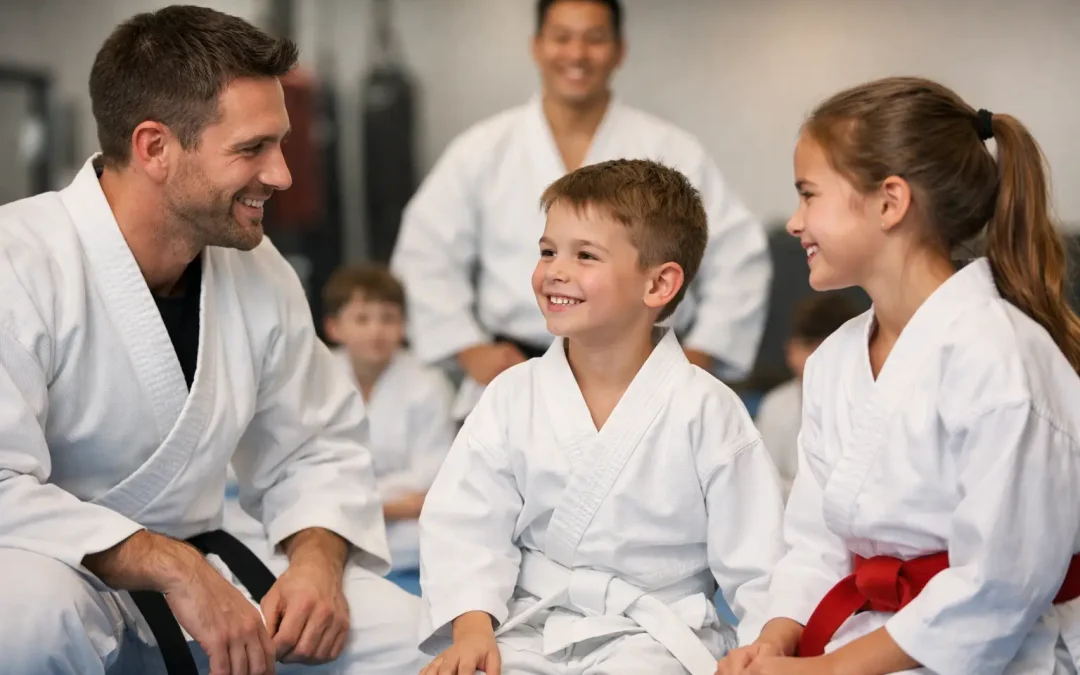
A child who stands taller after class, a teenager who learns to stay calm under pressure, or an adult who finally makes time for their fitness – these are the changes that make martial arts classes Croydon families choose worth attending. The right class is not simply an after-school activity or another workout. It is a regular place to build confidence, discipline, respect, and practical skills alongside people who want to improve.
For families across Croydon, Carshalton, and nearby South London communities, freestyle kickboxing offers an active, structured way to support wellbeing at every age. You do not need previous experience, a competition background, or a certain fitness level to begin. You only need the willingness to take that first step.
What Families Need From Martial Arts Classes in Croydon
Choosing a martial arts school can feel like a big decision, especially when you are choosing for your child. Parents want a class that feels welcoming, but they also want clear standards. Adults want training that challenges them, without feeling like they have walked into a room where everyone is already far ahead.
A good martial arts program balances encouragement with accountability. Students should be supported when a technique is difficult, while also learning that progress comes from listening, practicing, and showing up consistently. That balance helps children develop habits they can carry into school, friendships, and home life. It also gives adults a positive routine that can strengthen both body and mind.
The atmosphere matters just as much as the style. A family-focused club should be organized, respectful, and enjoyable. Students should know what is expected of them, feel safe asking questions, and leave class with a sense of achievement.
Why Freestyle Kickboxing Is a Strong Choice
Freestyle kickboxing is an accessible martial art for beginners because it combines practical striking skills, movement, coordination, and fitness training. Classes can be adapted for different ages and abilities, allowing each student to work at an appropriate level while still feeling part of the group.
Training develops more than punches and kicks. Students learn balance, awareness, timing, controlled movement, and how to follow instruction. As they improve, they see that confidence is not something they have to wait for. It is built through repeated effort – one class, one drill, and one small improvement at a time.
For children, this can be especially valuable. A child who may be quiet in a new situation can gradually become more confident speaking up, working with a partner, and trying unfamiliar skills. A child with lots of energy can learn how to direct that energy with focus and control. Every child is different, so the best approach is one that recognizes individual progress rather than comparing students with one another.
Adults benefit from the same foundations. Kickboxing provides a full-body workout that can improve stamina, mobility, coordination, and general fitness. It also gives many people a healthy break from work, screens, and daily pressures. Some adults enjoy the self-defense aspect most, while others are motivated by fitness, stress relief, or the satisfaction of learning a new skill. It does not have to be one reason only.
Age-Appropriate Training Makes a Difference
Children are not simply smaller adults, and their martial arts classes should not be treated that way. Younger students need instruction that is engaging, clear, and built around fundamental movement skills. They learn through repetition, positive encouragement, and achievable goals.
As children grow, training can introduce greater technical detail, fitness challenges, and personal responsibility. Youth classes can help teenagers channel their energy, improve concentration, and become more resilient when something does not go their way. These are important years for building self-belief, and a supportive class environment can give young people a place where effort is recognized.
Adult classes need a different balance. Some adults are returning to exercise after time away, while others are looking for a serious new challenge. The right class allows beginners to learn safely without holding back more experienced members. Good instruction makes that possible by offering clear progressions and coaching everyone as individuals.
At Taylor Martial Arts, the focus is on structured classes that help students develop at their own pace. Whether a student is taking their first lesson or continuing their martial arts journey, they should feel challenged, supported, and proud of their progress.
Confidence That Has a Practical Foundation
Confidence is often talked about as if it appears overnight. In reality, it grows when people prove to themselves that they can learn, adapt, and keep going. Martial arts gives students regular opportunities to do exactly that.
A new student may begin by learning a basic stance or practicing a simple combination. At first, it can feel unfamiliar. With patient coaching and regular practice, those movements become more natural. That process teaches an important lesson: being new at something is not a weakness. It is the start of improvement.
Self-defense training adds another layer of value. The goal is not to make students fearful or aggressive. It is to develop awareness, control, and practical decision-making. Students learn that confidence includes knowing when to create distance, seek help, and avoid unnecessary conflict. Respect and responsibility should always sit at the center of martial arts instruction.
A Healthy Routine for the Whole Family
Family life is busy. Between school, work, appointments, and home responsibilities, it can be difficult to find an activity that brings genuine long-term value. Martial arts can become a positive part of the week because it combines exercise, learning, social connection, and personal development in one regular commitment.
For children, a consistent class can support routine and give them something constructive to work toward. For parents, it can be reassuring to see their child become more focused, respectful, and active. For adults, attending class can be protected time – a chance to focus on their own health and goals.
Some families find that training together creates an extra connection at home. They can encourage one another before class, celebrate achievements, and talk about the value of sticking with something when it gets challenging. Not every family member needs the same goals, but they can still share the experience.
How to Choose the Right Class
Before joining any martial arts program, consider what matters most to you or your family. If your priority is confidence and discipline for a child, look for instructors who communicate clearly and create a respectful environment. If your goal is adult fitness and self-defense, make sure the class welcomes beginners and offers coaching that helps you build skills safely.
It is also worth paying attention to how a trial class feels. Are new students introduced properly? Is the instruction easy to understand? Are students treated with patience and respect? Is there enough structure to help everyone stay focused? These details tell you far more than promises alone.
A free trial is a useful way to experience the class before making a commitment. It gives children time to see whether they enjoy the activity and gives adults the chance to understand the pace, coaching style, and community. Feeling a little nervous before a first class is normal. A good instructor will help make that first step easier.
Start Where You Are
The best time to begin is not when you feel perfectly fit, fully confident, or completely certain that martial arts is for you. Those things often come after you start training. Begin at your current level, listen, practice, and allow progress to build.
For Croydon families looking for a positive, active, and disciplined community, martial arts can offer far more than a weekly class. It can give children stronger foundations, adults renewed energy, and everyone a practical reminder that becoming your best self happens through consistent effort. Take the first class with an open mind, and let the small wins do the rest.
Recent Comments