
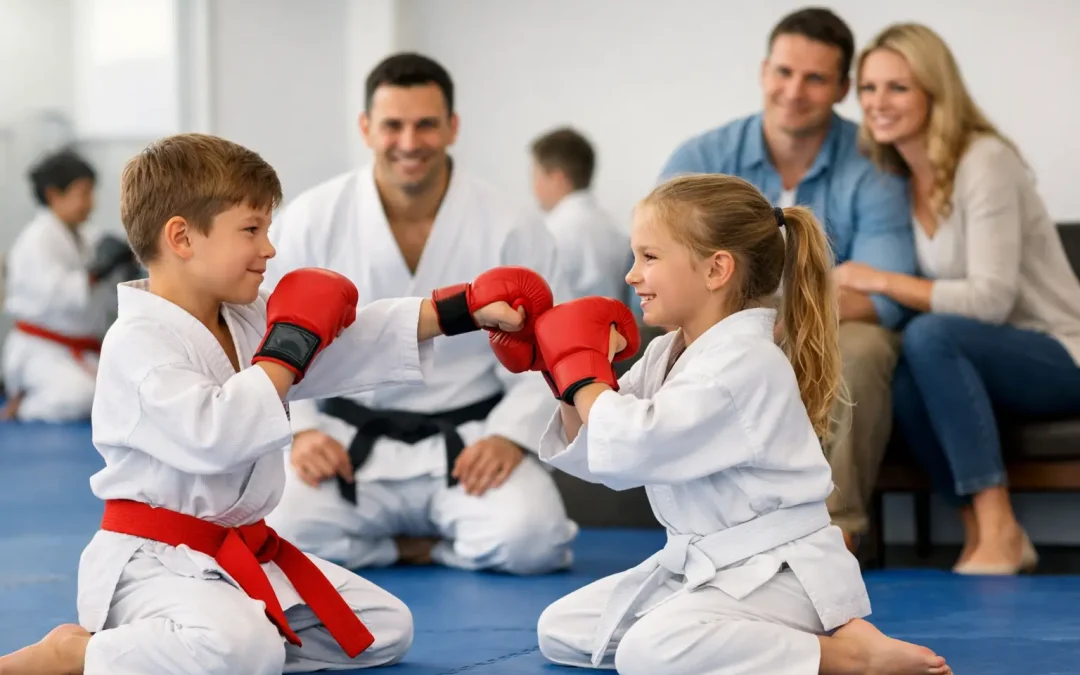
A child may come home from school full of energy, unsure of themselves, or struggling to focus when a task feels difficult. The right martial arts class can give that energy a positive direction. This children’s martial arts review is designed to help parents look beyond kicks and punches and choose a program that supports confidence, discipline, fitness, and respect.
For many families, martial arts becomes more than an after-school activity. It becomes a regular part of a child’s week where they are known by name, encouraged to try, and taught that progress comes from consistent effort. The best class is not necessarily the one with the loudest music or the most trophies on display. It is the one where your child feels safe, challenged, and proud to keep improving.
What a Good Children’s Martial Arts Class Should Build
A strong children’s program teaches physical skills, but its wider value is in the habits children practice every week. Students learn to listen carefully, follow instructions, work with others, and keep going when something does not come easily.
Confidence is often the first change parents notice. A quiet child may begin to stand taller, speak more clearly, and volunteer to demonstrate a technique. A child who is naturally energetic may learn how to channel that energy with greater control. Neither change happens overnight, and that is part of the point. Martial arts gives children a clear process: attend, practice, improve, and recognize their effort.
Discipline should feel encouraging, not harsh. Children need clear boundaries and high expectations, alongside instructors who understand that every student learns differently. A good instructor corrects behavior calmly, explains why respect matters, and gives children practical ways to refocus.
Fitness is another major benefit. Freestyle kickboxing training can improve coordination, balance, mobility, stamina, and general body awareness. For children who do not enjoy traditional team sports, martial arts can provide a more personal route into regular movement. They can set individual goals without feeling that they have let a team down if they need extra time to learn.
Children’s Martial Arts Review: What Parents Should Look For
When comparing local classes, start with the atmosphere. Watch how instructors greet students, manage the group, and respond when a child makes a mistake. The strongest programs create a positive training environment without lowering standards. Children should understand that respect is expected, while also knowing it is safe to ask questions and try again.
Age-appropriate structure matters just as much. A class for very young children should not simply be an adult session made shorter. Early-years students benefit from simple instructions, movement-based learning, games with a purpose, and plenty of positive reinforcement. Older children and teenagers can take on more technical combinations, fitness work, partner drills, and responsibility for their own progress.
Ask how the class balances technique with safety. Practical self-defense training should be taught with control, awareness, and respect for training partners. Children do not need to be frightened to learn personal safety. They need calm, useful instruction that helps them understand distance, boundaries, confidence, and when to seek help from a trusted adult.
It is also worth asking how new students are introduced. Beginning martial arts can feel intimidating, especially for a child who has never joined a club before. A welcoming program makes the first session clear and manageable. Children should know where to stand, what to do, and that nobody expects them to be perfect on day one.
Why Freestyle Kickboxing Can Suit Growing Children
Freestyle kickboxing gives children a broad and engaging way to train. They can develop punches, kicks, defensive movement, coordination, and controlled combinations while building overall fitness. The variety helps keep sessions interesting, particularly for children who lose interest when an activity becomes repetitive.
The trade-off is that quality instruction is essential. Because kickboxing is active and energetic, classes need clear rules, well-organized drills, and instructors who can keep students focused. A child should leave feeling worked out and accomplished, not overwhelmed or left behind.
For some children, the individual nature of martial arts is especially valuable. They can still train alongside friends and be part of a group, but their progress is their own. A student who needs longer to master a kick can keep practicing. A student who learns quickly can be challenged to refine their technique and show leadership through good behavior.
Signs Your Child Has Found the Right Fit
The right program will look slightly different for every family. Some children want a lively class with lots of movement. Others need a patient setting where routines help them settle. Your child does not have to become highly competitive or want to compete for martial arts to be worthwhile.
Look for steady signs of progress rather than expecting instant transformation. Your child may start practicing a stance at home, talk about a new technique, or remind you when it is time to leave for class. They may also begin using the language of training outside the gym, such as focusing before a task or trying again after getting something wrong.
A suitable class should challenge your child without making them dread attending. There will be difficult sessions. Learning discipline includes showing up when a skill feels frustrating. But a healthy training environment gives children enough support to move through those moments rather than feeling embarrassed by them.
Parents should also feel comfortable with the club’s communication. You should understand class times, expectations, uniform requirements, and how progression works. A family-focused club recognizes that parents are part of the journey, especially when children are young.
Questions Worth Asking Before You Join
Before committing, ask whether classes are separated by age and experience, how instructors support nervous beginners, and what safety procedures are used during partner work. Find out what a typical lesson includes and whether children have opportunities to develop both technical ability and personal skills.
It can also help to ask what success looks like at the club. If the answer focuses only on belts, medals, or competition results, consider whether that matches your child’s needs. Recognition matters, but it should sit alongside effort, respect, attendance, focus, and personal growth.
A free trial is one of the best ways to make a decision. It lets your child experience the class rather than trying to imagine it. Notice how they are welcomed, whether the session is organized, and how they respond afterward. A child may be tired after their first class, but they should also feel included and encouraged.
A Place to Grow, One Class at a Time
At Taylor Martial Arts, families in Carshalton, Croydon, and nearby South London communities can find structured freestyle kickboxing classes that put personal development alongside practical training. Children are encouraged to build confidence, respect, focus, and fitness in a supportive setting where beginners are welcome.
The best next step is simple: give your child the chance to try a class and see how they feel. One positive session can be the start of a stronger routine, new friendships, and the quiet confidence that comes from knowing they can keep working toward their best self.
Recent Comments