
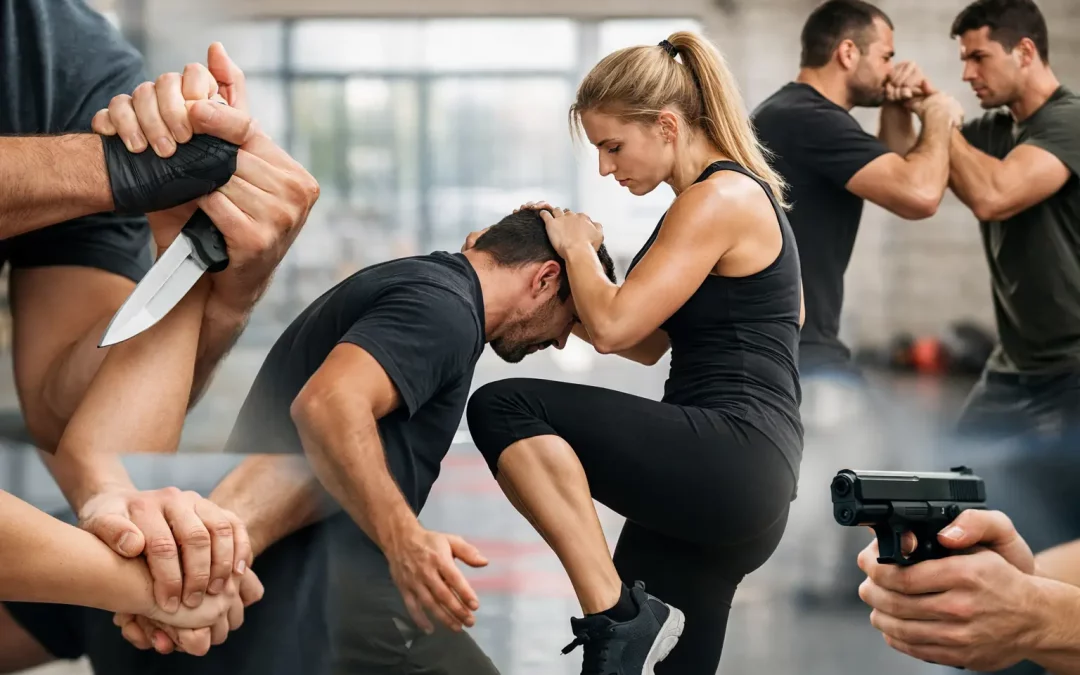
Most people picture self-defense as a punch or a kick. In real life, the best self defence skills to learn usually start much earlier than that. They begin with awareness, calm decision-making, and the confidence to respond under pressure instead of freezing.
That matters whether you are a parent thinking about your child’s confidence, a teen wanting more control in difficult situations, or an adult looking for practical skills alongside fitness. Good self-defense training is not about acting tough. It is about building habits that help you stay safe, stay composed, and make smart choices when it counts.
What makes a self-defense skill worth learning?
A useful self-defense skill has to work under stress. It should be simple enough to remember, practical enough to apply, and trained often enough that it becomes natural. That is why the most effective programs do not focus only on flashy techniques. They build strong basics, repeat them well, and help students develop confidence through consistent practice.
There is also an important trade-off here. Some skills look impressive in demonstrations but are hard to use if someone is frightened, tired, or caught off guard. The best training keeps things realistic. It gives beginners and experienced students a clear path to improve without making self-defense feel complicated.
The best self defence skills to learn first
1. Awareness and avoidance
This is the skill people often overlook, yet it prevents more trouble than any strike ever will. Awareness means noticing what is happening around you, spotting potential problems early, and avoiding risky situations where possible.
For children, that might mean recognizing when something feels wrong and knowing to find a trusted adult. For teens and adults, it can mean staying alert in parking lots, on public transportation, or when walking alone. It also includes simple habits like keeping your head up, limiting distractions, and trusting your instincts.
Avoidance is not weakness. It is smart decision-making. If you can leave, create space, or remove yourself from a situation safely, that is often the best outcome.
2. Strong posture and confident body language
Self-defense is physical, but presence matters too. Standing tall, making purposeful movements, and looking aware can make someone appear less vulnerable. Predators often look for easy targets, not people who seem switched on and prepared.
This is one reason martial arts training helps far beyond the class itself. Over time, students carry themselves differently. They develop better posture, more control, and greater confidence in how they move. That change can be subtle, but it matters.
For younger students especially, body language can have a big effect on everyday life. A child who learns to stand confidently, speak clearly, and stay focused often handles school, social situations, and challenges more calmly.
3. Verbal assertiveness
One of the best self defence skills to learn is using your voice well. A clear, firm command can create space, attract attention, and show that you are not easy to intimidate.
This does not mean arguing or escalating a situation. It means learning when to say simple, direct phrases such as “Stop,” “Back up,” or “Leave me alone.” The goal is to set a boundary quickly and confidently.
For kids, verbal self-defense is especially important. Many situations they face involve bullying, peer pressure, or feeling uncomfortable rather than physical attack. Teaching them how to speak up respectfully but firmly is a valuable life skill. Adults benefit from the same principle. Calm, assertive communication can de-escalate a surprising number of situations before they become physical.
4. Balance, movement, and distance control
Before someone learns powerful striking, they need to learn how to move. Good footwork helps you stay balanced, create distance, and avoid being an easy target. It also helps you respond more effectively if you do need to defend yourself.
This is where structured martial arts training makes a real difference. Repeated practice improves coordination, reactions, and control. Students learn how to shift their weight, stay steady, and move with purpose rather than panic.
Distance control is a major part of this. If someone is too close, your options shrink. If you can step away, angle out, or make space, you give yourself more time to think and act. That principle is useful for children and adults alike, even though the way it is taught should be age-appropriate.
5. Basic striking fundamentals
At some point, practical self-defense does include physical techniques. The key word is basic. You do not need a huge catalog of moves. You need a few dependable actions practiced properly.
Straight punches, palm strikes, elbows, knees, and front kicks are often more useful than complicated techniques because they are direct and easier to apply under pressure. In freestyle kickboxing, students build these fundamentals step by step, improving power, timing, and control in a structured way.
It depends on the student, of course. A younger child may focus more on coordination, discipline, and controlled movement, while a teen or adult may progress into more practical striking applications. Either way, strong basics matter more than flashy combinations.
6. Blocking and protecting vulnerable areas
Self-defense is not only about hitting back. It is also about reducing harm. Learning how to cover up, protect your head, manage impact, and recover your position gives you a much better chance of staying safe.
This is another area where repetition counts. Under stress, people rarely perform perfectly. The more often you practice simple defensive movements, the more likely you are to use them effectively when needed.
Students also benefit from understanding targets and vulnerabilities. Knowing what you are protecting, and why, makes defensive technique more purposeful. It turns movement into problem-solving rather than guesswork.
7. Staying calm under pressure
This may be the most valuable skill of all. Fear is normal. Panic is what causes people to freeze, rush, or make poor decisions. Training helps students experience pressure in a controlled environment so they become more familiar with it over time.
That does not mean classes should feel frightening. It means they should be structured, supportive, and disciplined. When students practice combinations, partner drills, or controlled sparring at the right level, they learn to think while moving. They build composure.
This carries over into daily life. A calmer child often handles school challenges better. A teen may become less reactive in conflict. An adult may feel more capable in uncomfortable situations. Self-defense is not only about the body. It is also about mindset.
Why martial arts training works so well
Anyone can read about self-defense online, but real progress comes from guided practice. Martial arts classes give students coaching, repetition, and accountability. They also help people train safely and consistently, which is how confidence is built.
A good class environment matters just as much as the techniques being taught. For families, that means finding a place where beginners feel welcome, children are taught with structure and encouragement, and adults can develop at their own pace. Discipline and respect should be part of the culture, not just words on a website.
That is one reason family-focused clubs often make such a strong starting point. At Taylor Martial Arts, for example, students train in a supportive setting that builds fitness, focus, and practical skills together. The result is not just better technique, but stronger habits and greater confidence over time.
Choosing the right self-defense training for your goals
The best training depends on what you need. If your main goal is confidence for a child, look for classes that emphasize structure, focus, and age-appropriate development. If you are an adult seeking practical skills and fitness, choose a program that teaches clear fundamentals and gives you room to progress.
It is also worth being honest about what you will stick with. The best system on paper is not very useful if you do not enjoy training or cannot attend regularly. Consistency beats intensity. A welcoming class, good coaching, and a sense of community often matter more than people expect.
For complete beginners, the right place should feel challenging but approachable. You should leave feeling encouraged, not overwhelmed. That balance helps students return, improve, and keep building the habits that make self-defense effective.
Self-defense is really about becoming harder to intimidate
When people ask about the best self defence skills to learn, they are often asking a deeper question. They want to know how to feel safer, stronger, and more in control. The answer is not one perfect move. It is a combination of awareness, confidence, movement, and calm, developed through steady practice.
That is why good training has lasting value. It helps children grow in discipline and focus. It helps teens build confidence and resilience. It helps adults improve fitness while learning practical skills they can trust. And for many families, it becomes more than a class. It becomes part of how they grow stronger together.
Start with the basics, train them well, and give yourself time. The most useful self-defense skills are the ones you can carry into everyday life with confidence.
Recent Comments