
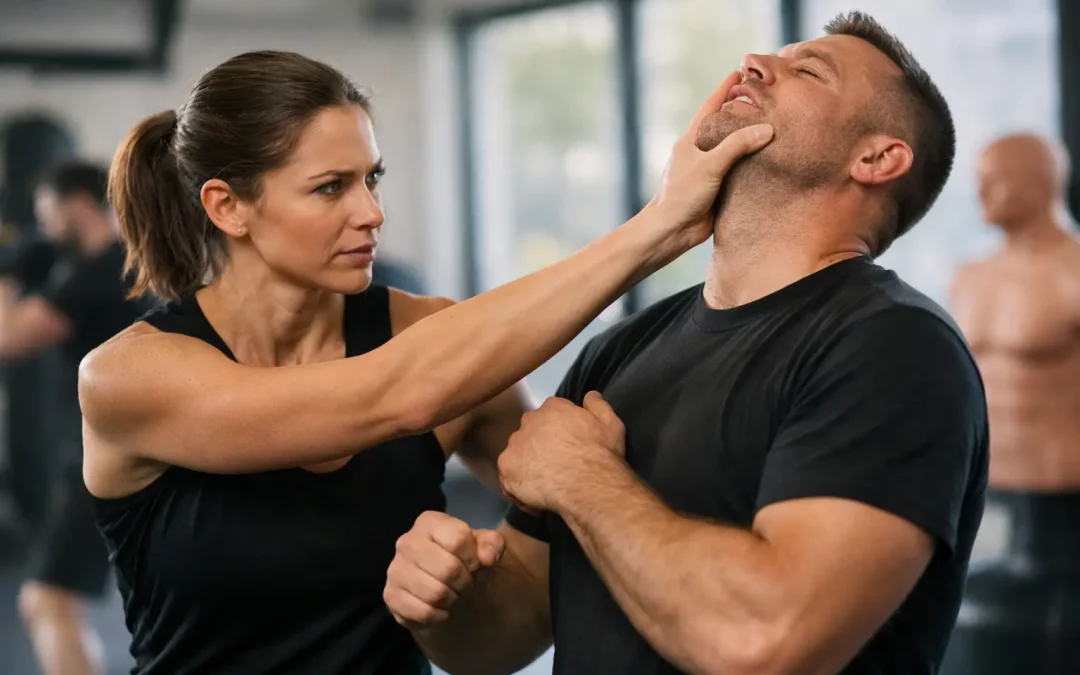
Most people do not need flashy moves. They need self defense skills and techniques they can remember under stress, use with confidence, and practice safely over time. That means learning how to spot trouble early, create space, stay balanced, and respond with simple actions that work for your body and ability.
What real self defense looks like
Good self-defense starts well before a strike or block. In real life, the strongest advantage is often awareness. If you notice a problem early, trust your instincts, and move away quickly, you have already done something valuable. Avoidance is not weakness. It is smart decision-making.
That matters for adults walking alone, teenagers traveling to and from school, and parents thinking about their children’s confidence. Practical training should help people stay calm, make better choices, and act with purpose. It should also build habits that carry into everyday life – posture, focus, discipline, and self-control.
There is also an important trade-off to understand. Movie-style techniques may look impressive, but under pressure, people usually fall back on what they have practiced most. Simple movements, repeated often, tend to hold up better than complicated combinations.
Self defense skills and techniques that matter most
The best training develops a full set of responses, not just punching and kicking. Physical skills matter, but they work best when supported by awareness, confidence, and clear judgment.
Awareness and distance
Distance gives you options. If someone is acting aggressively, taking a step back, shifting your angle, and keeping your hands ready can make a huge difference. You are buying time to think, speak, and leave.
Awareness also means paying attention to your surroundings instead of moving through the day distracted. That could be noticing who is near you in a parking lot, choosing a better-lit route, or recognizing behavior that feels wrong before it escalates. These are basic habits, but they are among the most effective self-defense tools anyone can build.
Voice and boundaries
A strong verbal response is a real technique. Saying “Stop,” “Back up,” or “Leave me alone” in a clear voice can draw attention, establish a boundary, and interrupt someone’s momentum. For children and teens especially, this is a vital skill. It teaches them that confidence is not about aggression. It is about being clear, assertive, and in control.
This is one reason structured martial arts training helps beyond the class itself. Students practice speaking with confidence, following instruction, and carrying themselves with purpose. That changes how they present themselves in daily life.
Balance and movement
If you lose your balance, every other technique becomes harder. Good footwork helps you stay stable, move away from pressure, and avoid getting stuck in front of someone. Even small changes in angle can reduce risk and create an opening to escape.
This is where regular practice makes a real difference. Learning how to move with control, keep your stance under pressure, and recover quickly is useful for beginners and experienced students alike. It is not about looking athletic. It is about making your body more reliable when you need it.
Simple strikes and defensive actions
When physical action is necessary, simpler is better. Palm strikes, straight punches, low kicks, knee strikes, and basic blocks or covers are easier to learn and repeat than more advanced techniques. They can be trained with control, built into combinations, and adapted for different ages and ability levels.
Still, context matters. A smaller child does not need the same approach as an adult. A beginner may need to focus first on stance, coordination, and confidence before learning to respond under pressure. Effective instruction should match the student, not force everyone into the same model.
Escape first, not winning a fight
This is one of the biggest mindset shifts in practical self-defense. The goal is usually not to stay and dominate an opponent. The goal is to create enough space to get out safely. That may mean using a strike to break contact, turning away, and moving fast toward safety.
For many people, this is reassuring. You do not need to become a fighter to become harder to target. You need a realistic plan and enough training to act on it.
Why regular training matters more than one-off tips
Reading about self-defense can help, but skill comes from repetition. Under stress, people do not rise to theory. They return to habits. That is why classes matter. They give students a chance to practice movement, timing, reactions, and discipline in a structured environment.
Regular training also builds something many people overlook – composure. When students work through drills, learn to stay focused, and improve week by week, they become more comfortable handling pressure. That applies in martial arts, but also at school, at work, and in everyday challenges.
For children, the benefits often go even further. Training can improve listening, respect, self-control, and resilience. For adults, it can provide fitness, routine, and a sense of progress that many busy schedules are missing. The practical self-defense side is valuable, but it is rarely the only benefit.
What beginners should look for in a class
Not every martial arts program teaches self-defense in a way that suits beginners or families. Some classes lean heavily toward competition. Others are so casual that students never build real structure. The best fit depends on your goals.
If your priority is practical self-defense, look for training that teaches awareness, movement, basic striking, and controlled partner work. You want clear instruction, steady progression, and an atmosphere where students are challenged without being overwhelmed. For children, age-appropriate coaching is especially important. Young students need training that develops confidence and discipline in a safe, supportive way.
A strong community matters too. People learn better when they feel welcome, respected, and encouraged to improve. That is often what helps beginners stay consistent long enough to see results.
At Taylor Martial Arts, that family-focused approach is a big part of the experience. Students are supported at their own level, whether they are taking their first class or building on existing skills.
Common mistakes people make about self-defense
One common mistake is assuming self-defense is only physical. In reality, prevention, awareness, and quick decision-making are often more important than technique alone. Another is believing confidence comes before practice. Usually, it is the other way around. People become more confident because they train consistently and see themselves improving.
There is also a tendency to overestimate what can be learned quickly. A short workshop can be useful, but lasting ability takes time. That should not discourage anyone. It should be motivating. Real progress is built class by class, and even small improvements add up.
Finally, some people think they are either “naturally tough” or not suited to self-defense training. That mindset holds people back. Most students improve because they show up, listen, and keep practicing. Discipline beats natural talent more often than people expect.
Building self-defense into everyday life
The strongest self-defense habits often look ordinary. Walking with awareness. Keeping your phone down when moving through unfamiliar places. Trusting your instincts. Setting clear boundaries. Staying fit enough to move well. These things may seem simple, but they create a stronger foundation for personal safety.
Martial arts training supports those habits by giving them structure. Students learn how to stand, move, react, and stay composed. Over time, that changes how they carry themselves. It is not about living in fear. It is about feeling more prepared.
That preparation looks different for everyone. A parent may want their child to be more confident and focused. A teenager may want to feel less intimidated. An adult may be looking for practical skills, fitness, and a positive routine. Self-defense training can support all of those goals when it is taught with care and consistency.
If you have been thinking about learning self defense skills and techniques, the best time to start is before you feel you need them. Confidence grows through practice, and progress begins with one class, one lesson, and one decision to invest in yourself.
Recent Comments