
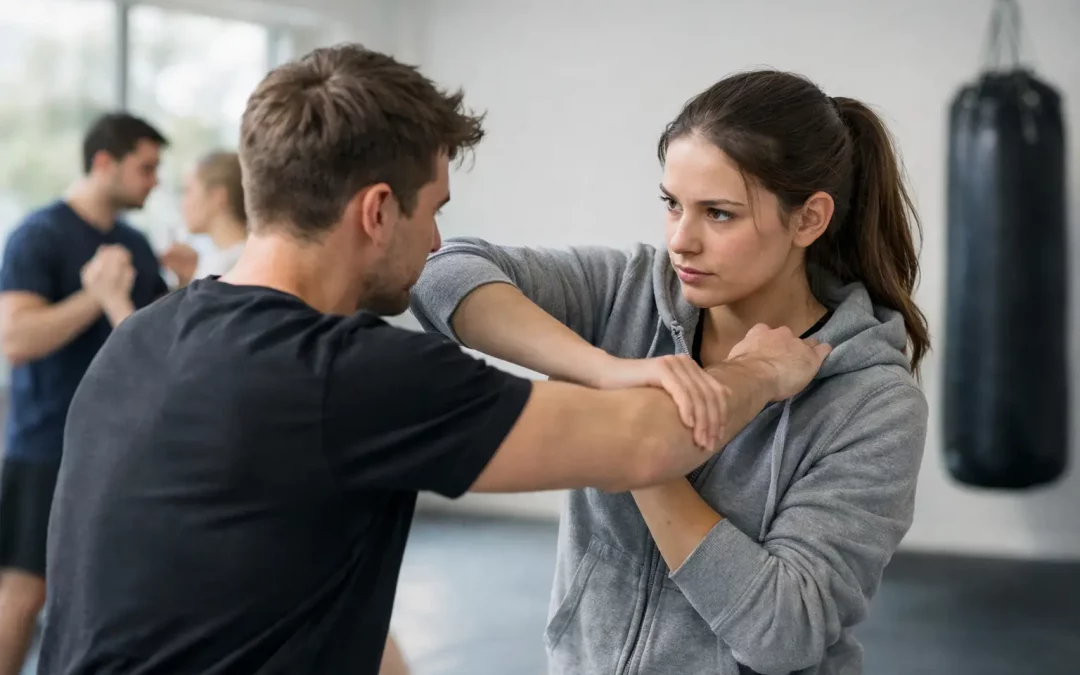
A student does not need to look for trouble to face it. It can start with rough behavior in a hallway, pressure from a group, an argument after school, or simply walking home feeling unsure. That is why self defence skills for students matter so much. The right training helps young people stay aware, stay calm, and make better decisions under pressure.
For parents, this is rarely just about punches and kicks. It is about confidence, self-control, and knowing your child can handle difficult moments with good judgment. For students, it is about feeling stronger without becoming aggressive. Good self-defense training should build both safety and character.
What self defence skills for students really mean
There is a common mistake people make when they hear the words self-defense. They picture fighting. In reality, the best self defence skills for students begin long before anything physical happens.
A strong student is not the one who wants conflict. A strong student is the one who can read a situation early, use their voice clearly, hold good boundaries, and move away when possible. Physical techniques still matter, but they sit alongside awareness, discipline, and emotional control.
That matters even more for children and teens because school-age conflicts are often messy and fast. One moment might involve teasing, another pushing, and another a larger group watching and encouraging bad behavior. In those situations, judgment is just as valuable as technique.
Awareness is the first line of defense
Most students will never need advanced martial arts skills in daily life. What they need most is awareness. That means paying attention to people, places, and behavior instead of moving through the day distracted.
A student who notices tension early has more options. They can avoid an isolated route, move toward trusted adults, stay near friends, or leave before a situation grows. This is one of the biggest reasons martial arts training helps. Students practice staying switched on instead of freezing or panicking.
Awareness also includes understanding personal space. Many young people ignore their instincts because they do not want to seem rude. Students should know it is okay to step back, say no clearly, and leave if something feels wrong. Respect matters, but so do boundaries.
Confidence changes how students carry themselves
Confidence is not loud. It is often quiet and visible in posture, eye contact, and how someone speaks. Students who train regularly tend to carry themselves differently. They look more alert, more balanced, and less easy to intimidate.
That can reduce risk in the first place. People who target others often look for hesitation and uncertainty. A student who stands tall, answers firmly, and stays composed may be less likely to be singled out.
There is a balance here. Confidence should never turn into arrogance. The goal is not to teach students that they can dominate every situation. The goal is to help them trust themselves, act responsibly, and stay steady when things feel uncomfortable.
Physical self-defense should be practical and age-appropriate
When physical action is necessary, students need simple skills they can remember under stress. Complicated sequences are much harder to use in real life, especially for younger children.
That is why practical training matters. Students benefit from learning stance, balance, movement, distance, and basic ways to break free from grabs or create space safely. They also need to understand when to disengage and get help. In real situations, escape is often the smartest win.
Age makes a difference here. A younger child needs straightforward habits and simple responses. A teenager may be ready for more structured partner drills and stronger conversations around judgment, peer pressure, and personal safety. Good instruction meets students where they are instead of treating all ages the same.
Verbal skills are part of self-defense
A lot of school-based conflict sits in the space between discomfort and physical aggression. That is where verbal skills matter.
Students should learn how to use a clear voice, short phrases, and firm body language. Saying “Stop,” “Back up,” or “I do not want any trouble” may sound basic, but these responses are powerful when practiced properly. Many young people have never been shown how to project confidence with their voice.
This is also where emotional control comes in. If a student reacts with panic, insults, or anger, a situation can escalate fast. Training helps students respond instead of react. That is a life skill that reaches far beyond self-defense.
Discipline and control matter as much as technique
One reason parents often choose martial arts for their children is that it teaches more than movement. It teaches discipline, respect, and focus. Those values are not extra features. They are part of what makes self-defense useful.
A student with physical skill but poor judgment can make bad situations worse. A student with training and self-control is more likely to make safe choices. They understand when to step away, when to speak up, and when to ask for help.
This is especially important for teens. They are often navigating status, pride, and social pressure at the same time. Good instruction helps them see that strength is not about proving something in front of others. It is about protecting yourself and keeping control of your actions.
Why regular training works better than one-off lessons
Many parents look for a quick self-defense workshop and hope it will solve the problem. A workshop can be useful, but it rarely creates lasting habits on its own.
Students improve through repetition. They need to practice movement, timing, awareness, and controlled responses over time. Just as importantly, they need steady encouragement so confidence grows naturally rather than being forced.
Regular classes also create a positive routine. Students learn to listen, follow instruction, work with partners, and keep showing up. That consistency supports fitness, discipline, and self-belief all at once. In a structured club environment, they also become part of a community that expects respect and effort.
For many families, that wider benefit is what makes training so valuable. Self-defense is the headline, but the long-term outcome is often a more focused, resilient young person.
What parents should look for in self-defence skills for students
Not every program teaches self-defense in a way that fits children and teens. Some are too aggressive. Others are too vague to be useful. The best approach sits in the middle.
Look for training that emphasizes awareness first, practical technique second, and discipline throughout. Students should be learning in a safe, structured setting where instructors understand age differences and communicate clearly. They should leave class feeling encouraged, not frightened.
It also helps when the environment is welcoming for beginners. A nervous child or teen is far more likely to stick with training if they feel supported from the start. That is one reason family-focused martial arts clubs often work so well. The atmosphere is serious about standards but approachable in tone.
At Taylor Martial Arts, that balance is a big part of what families value. Students build practical skills while also developing respect, focus, and confidence in a supportive setting.
The goal is not to raise fighters
This is worth saying clearly. The goal of self-defense training for students is not to raise children who want confrontation. It is to help them become calm, capable, and harder to bully or intimidate.
That may mean they speak more confidently in class. It may mean they handle social pressure better. It may mean they feel safer walking to school or joining new activities. Sometimes the biggest result is not what they do in a dangerous moment. It is how they carry themselves every day.
That is where martial arts has real value. It gives students a place to build themselves up step by step, with guidance, accountability, and encouragement. They get stronger, but they also get steadier.
If you are thinking about self-defense training for your child, focus on the bigger picture as well as the immediate skill set. The best self defence skills for students do more than prepare them for a difficult moment. They help shape the kind of young person who can meet challenges with confidence, respect, and control.
Recent Comments