
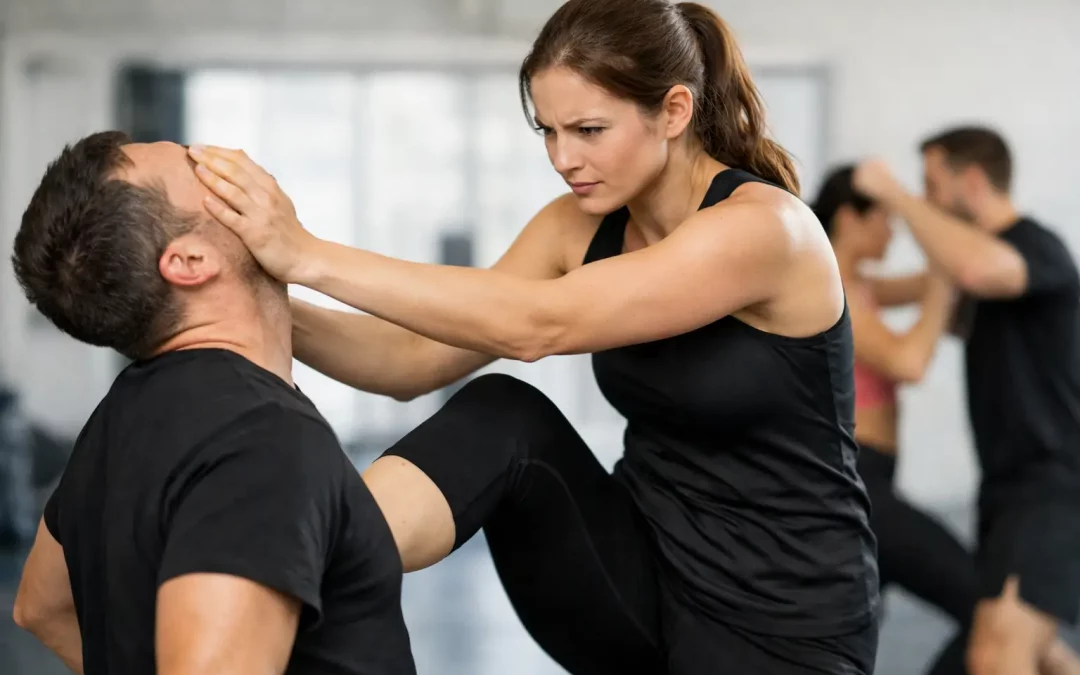
A lot of women know the feeling. You walk to your car with your keys ready, glance over your shoulder on the way home, or think twice before taking a certain route after dark. That is exactly why self defence technique is necessary for women. It is not about living in fear. It is about being prepared, aware, and confident enough to respond if a situation becomes uncomfortable or unsafe.
At its best, self-defense training gives women something very practical – options. It helps turn panic into action, hesitation into decision-making, and uncertainty into better control. Just as important, it supports confidence in everyday life, from posture and awareness to the way someone carries themselves in public.
Why self defence technique is necessary for women in real life
The biggest reason self-defense matters is simple. Real-life situations are often fast, stressful, and unpredictable. Most people do not get warning signs as clear as they appear in movies. An uncomfortable interaction can become threatening quickly, and when that happens, having practiced a response matters.
Self-defense technique gives women tools for common situations such as breaking away from grabs, creating space, protecting vulnerable areas, and getting to safety. These are not abstract skills. They are practical movements that can help when someone invades personal space, tries to control movement, or ignores clear boundaries.
There is also a wider reality to consider. Many women are taught from a young age to be polite, avoid causing a scene, or second-guess their instincts. Good self-defense training helps reverse that pattern. It teaches that setting boundaries, speaking firmly, and acting quickly when something feels wrong are not overreactions. They are sensible responses.
That shift in mindset is often as valuable as the physical techniques themselves. The first win in self-defense is noticing risk early and trusting yourself enough to act before a situation gets worse.
Self-defense is not only about fighting
One of the biggest misunderstandings is that self-defense means learning how to win a fight. In reality, the goal is usually to avoid, escape, or interrupt danger as quickly as possible. That is an important difference.
A strong self-defense program teaches awareness first. It covers how to read situations, manage distance, use your voice, and recognize when someone is testing boundaries. If physical action is needed, the focus should be on simple, repeatable techniques that work under pressure, not flashy moves that only succeed in perfect conditions.
This matters especially for beginners. Under stress, fine motor skills can drop and thinking can narrow. That is why effective training keeps things clear and realistic. Women do not need hundreds of complicated techniques. They need reliable actions they can remember and use.
There is a trade-off here. No training can promise total safety, and no technique works in every situation. Size, environment, surprise, and the behavior of the other person all matter. But being trained is still far better than being completely unprepared. Even basic instruction can improve reaction time, decision-making, and the ability to create an opportunity to get away.
The confidence effect is real
Ask many women who train regularly what changed first, and they often will not say punching power or fitness. They will say confidence.
That confidence is not loud or aggressive. It is calmer than that. It shows up in body language, eye contact, posture, and the ability to say no clearly. People who look alert and self-assured are often less appealing targets than people who seem distracted or hesitant.
Training also helps women become more comfortable with physical pressure. That is a major benefit. If someone has never practiced moving under stress, being grabbed, or responding quickly in close range, the shock of that contact can be overwhelming. In a controlled class environment, students get to build familiarity step by step. Over time, what once felt intimidating becomes manageable.
That sense of capability often reaches beyond self-defense. Women who train regularly frequently feel more confident at work, in social settings, and in other areas of life where assertiveness matters. The lesson is not just how to defend yourself physically. It is how to carry yourself with more certainty.
Why structured training matters more than one-off tips
Many women have seen quick safety tips online. Some are useful. Many are too simplistic. Real self-defense is not just about memorizing a trick. It is about building habits through repetition.
Structured classes help women practice key movements until they become more natural. They also create a safer place to ask questions, make mistakes, and improve. That consistency matters because stress changes the way people respond. What seems easy in theory can be hard to use in the moment if it has never been practiced properly.
Training with an experienced instructor also helps separate realistic techniques from poor advice. Not every self-defense tip is practical for every person. A good coach will teach methods that fit real-world conditions, different body types, and different confidence levels.
This is one reason community-based martial arts clubs can be so valuable. In a supportive setting, women can train without pressure to be experts on day one. They can develop skills at a steady pace, improve fitness at the same time, and build confidence through regular progress.
Fitness, focus, and self-discipline all play a part
Another reason self-defense training matters is that it strengthens the wider qualities that support personal safety. Fitness is one of them. Escaping danger may require balance, speed, coordination, and stamina. Even a short burst of movement can feel difficult if someone is not used to physical effort.
Martial arts training helps improve those basics in a practical way. It builds stronger reactions, better movement, and more control under pressure. That does not mean a woman needs to be extremely athletic to benefit. In fact, many beginners start with no martial arts background at all. Progress comes from consistent training, not from arriving fully prepared.
Focus and discipline matter too. Self-defense starts long before physical contact. It begins with paying attention, avoiding distraction, and recognizing when a situation is changing. Training encourages that mental sharpness. It helps women stay present instead of freezing or doubting themselves.
For many adults, that mental side is just as useful as the physical side. Life is busy. Stress is common. A class that develops discipline, awareness, and confidence can improve overall well-being as much as safety skills.
Why self defence technique is necessary for women at every age
Self-defense is not only relevant for one age group or lifestyle. A college student walking home, a mother out with her children, a woman commuting to work, or an older adult wanting to feel steadier and more secure can all benefit from training.
The methods may vary a little depending on age, fitness, and experience, but the core value stays the same. Women deserve practical skills that help them protect personal space, make good decisions, and respond with more confidence.
For younger women and teens, self-defense can also reinforce healthy boundaries early. It teaches that they do not have to ignore discomfort to avoid seeming rude. For adult women, it can be a way to rebuild confidence, improve fitness, and take a more active role in personal safety. For older women, it can support awareness, balance, and decision-making while keeping training appropriate and accessible.
The best programs recognize these differences and teach in a way that feels supportive rather than intimidating.
A stronger sense of safety starts with practice
Self-defense is not about expecting the worst from every situation. It is about refusing to be helpless if something goes wrong. That is a healthier and more empowering mindset.
Women who train are not trying to become fearful or aggressive. They are choosing to become more prepared, more aware, and more confident in their own abilities. That preparation can make a real difference, whether the outcome is avoiding trouble early, responding more effectively under stress, or simply moving through daily life with greater assurance.
At Taylor Martial Arts, that is part of what makes training so valuable. In a supportive and structured environment, women can build practical skills, improve fitness, and develop the confidence that comes from steady progress. If you have been thinking about starting, the best time is before you ever need it – because feeling stronger, sharper, and more capable is worth building now.
Recent Comments