
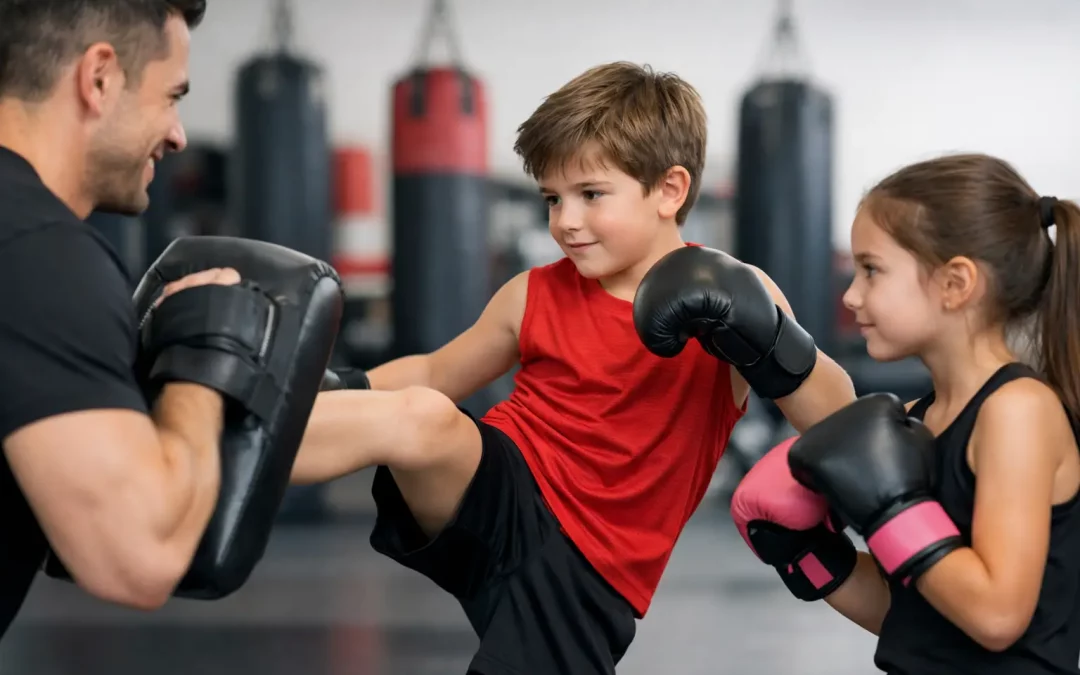
Some kids walk into their first class full of energy and confidence. Others cling to a parent’s hand and need a little time. That is why when parents ask what age can kids start kickboxing, the real answer is not just about age. It is about readiness, coaching, and finding a class that matches your child’s stage of development.
For most children, kickboxing can begin around ages 4 to 6 in a beginner program built specifically for young kids. That does not mean full-contact sparring or intense fight training. It means learning how to listen, move well, follow instructions, build balance, and develop confidence in a safe, structured setting.
What age can kids start kickboxing in a safe way?
A lot depends on how the class is designed. A well-run kickboxing program for younger children focuses on fundamentals, not force. At the early stage, the best classes teach stance, footwork, coordination, basic strikes on pads, and simple partner drills with close supervision. The goal is not to turn a 5-year-old into a fighter. The goal is to help them improve focus, discipline, and body control while enjoying physical activity.
For preschool and kindergarten age children, attention span matters just as much as physical ability. Some 4-year-olds are ready to join a structured class and follow simple instructions. Some are better off waiting until 5 or 6. There is no problem with either path. Starting at the right time is better than starting early and feeling overwhelmed.
As children get older, usually around 7 to 9, they are often able to handle more technical instruction. They can remember combinations more easily, understand class routines, and work with more control. By the pre-teen years, many kids are ready for a more detailed kickboxing curriculum, provided the environment stays age-appropriate and safety-led.
The best age depends on the child, not just the number
Parents naturally want a clear answer, but kickboxing is not one-size-fits-all. Two children of the same age can have very different levels of maturity, coordination, and confidence. One child may love structure and movement from day one. Another may need more time to settle into a group activity.
A good instructor looks beyond age and pays attention to behavior, focus, emotional readiness, and physical control. Can the child listen when asked? Can they take turns? Can they follow simple boundaries? These are all strong signs they are ready to start.
This is especially true for younger beginners. At that stage, progress is not measured by how hard they punch. It is measured by how they grow in confidence, respect, and self-control. Those habits matter just as much as any technical skill.
What young kids actually learn in kickboxing classes
Parents sometimes hear the word kickboxing and picture aggressive training. In a family-focused club, that is not what beginner kids’ classes look like. Early training is usually structured around movement, discipline, and simple skill-building.
Young children often start by learning how to stand properly, move their feet, and use basic hand and foot techniques on pads. They practice balance, coordination, and timing. Just as important, they learn how to line up, listen, show respect, and stay focused in a group setting.
That structure is one of the biggest benefits. Many children respond well to clear routines and positive expectations. They enjoy knowing what comes next, working toward small goals, and being encouraged for effort. Over time, that can carry over into school, home life, and other activities.
Is kickboxing safe for kids?
Yes, when it is taught properly. Safety comes down to the quality of instruction, the structure of the class, and the expectations placed on students. Children should never be pushed into training that is too advanced for their age or ability.
In beginner and younger age groups, classes should emphasize control over power. Coaches should teach children how to move safely, use equipment correctly, and respect personal boundaries. Partner work, if included, should be light, closely supervised, and appropriate for the child’s level.
Parents should also know that age-specific programming matters. A class designed for teens is not the same as one designed for a 5-year-old. Mixing wide age ranges without adapting the lesson can make younger children feel lost or unsafe. The best programs group students in a way that supports development and keeps expectations realistic.
Signs your child may be ready to start
You do not need your child to be naturally athletic before they begin. In fact, many children build coordination and confidence through martial arts rather than arriving with it. What matters more is whether they can take part in a structured lesson.
A child may be ready for kickboxing if they can follow simple directions, stay engaged for a short class, and join in without becoming distressed by the group environment. Being a little shy is fine. Being full of energy is fine too. A good beginner program should support both.
If your child struggles with separation, has difficulty listening in group settings, or becomes frustrated very quickly, it may help to wait a little longer or start with a trial class first. That does not mean kickboxing is not right for them. It may simply mean the timing or class format needs to fit them better.
What age can kids start kickboxing if they are shy or not sporty?
Often sooner than parents expect. Kickboxing is not only for loud, outgoing, sporty kids. It can be especially helpful for children who need a confidence boost, better focus, or a healthy outlet for nervous energy.
Shy children often benefit from the routine and steady encouragement of class. They do not need to speak loudly or stand out right away. They just need a safe environment where they can build trust, learn gradually, and feel a sense of achievement. Over time, many become more comfortable, more confident, and more willing to try new things.
Children who are not naturally drawn to team sports can also do very well in martial arts. Kickboxing offers individual progress within a group setting. That means a child can develop at their own pace while still feeling part of a community. For many families, that balance is exactly what makes it such a strong fit.
How to choose the right kickboxing class
The right age to start only matters if the class itself is right. Parents should look for a program that is structured, welcoming, and clearly designed for children. Instructors should be able to explain what beginners learn, how classes are kept safe, and what is expected from students.
It also helps to watch how the coach interacts with children. Are they patient and confident? Do they maintain discipline without creating fear? Do they encourage effort and respect? A good class should feel organized and positive from the moment it starts.
If a club offers a trial session, that is often the best way to tell whether your child is ready. A trial gives them a chance to experience the environment without pressure. It also gives you a chance to see whether the teaching style and class structure match what your family wants.
At Taylor Martial Arts, that family-first approach is central to how children are introduced to training. The aim is to help every student build discipline, confidence, and focus at the right pace for their age and experience.
When should kids wait?
There are times when waiting is the better choice. If a child is not yet able to take basic instruction, becomes overwhelmed in group environments, or is expecting kickboxing to be rough and uncontrolled, a short delay can be helpful. A few months can make a big difference in maturity.
It is also worth being realistic about goals. If a parent wants a class to instantly fix behavior or confidence issues, that can create pressure. Kickboxing can support growth in those areas, but results come through consistency, good coaching, and time. The best progress usually happens when a child feels supported rather than judged.
There is no perfect age that guarantees success. Some children start at 4 and thrive. Others begin at 7 or 10 and make fantastic progress. The key is not starting as early as possible. The key is starting when your child is ready for a structured, positive experience.
If you are asking what age can kids start kickboxing, you are already thinking the right way. You are not just looking for an activity. You are looking for something that helps your child grow stronger, more focused, and more confident. The best first class should feel like the start of that journey.
Recent Comments