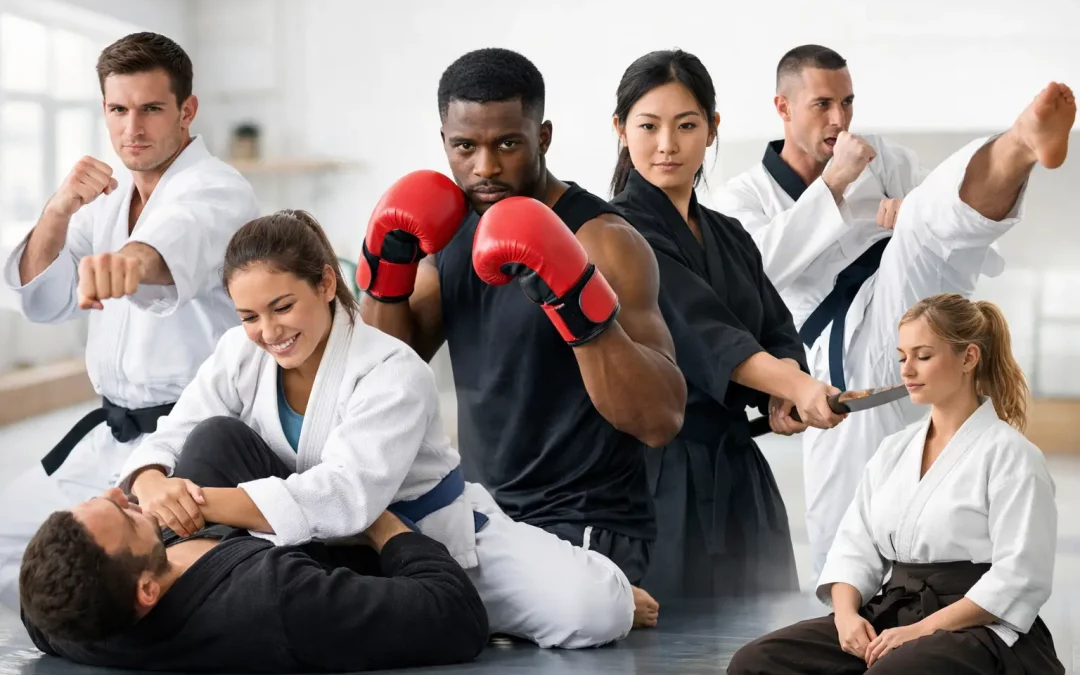
Picking a martial art can feel harder than the first class itself. Most beginners are not asking which style looks the most impressive. They want to know which training will help them feel fitter, more confident, safer, and comfortable enough to keep showing up. That is why the best martial arts for beginners are usually the ones that balance structure, support, and practical progress.
The right choice depends on who you are and what you want from training. A child who needs focus and confidence may thrive in a very different class from an adult who wants self-defense and fitness after work. Some people enjoy tradition and technical detail. Others want movement, energy, and straightforward instruction from day one. What matters most is not picking the most famous style. It is finding a beginner-friendly environment where you can learn steadily and feel part of the group.
What makes the best martial arts for beginners?
A good beginner martial art should be easy to enter without needing previous experience, high fitness, or special knowledge. That does not mean it should be easy in the long term. It should simply give you a clear starting point.
The best beginner programs usually have strong coaching, structured classes, and a culture of respect. Beginners need to know what to do, how to improve, and how to train safely. They also need to feel encouraged. A supportive class helps people stay consistent, and consistency is where confidence, fitness, and skill are built.
It also helps when the martial art offers visible progress early on. Learning a stance, a basic combination, a fall, or a simple defensive movement gives beginners a sense of achievement. That matters for adults as much as children.
1. Kickboxing
Kickboxing is one of the strongest choices for beginners because it is practical, energetic, and easy to understand at the entry level. You learn how to move, strike, defend yourself, and build fitness at the same time. For many people, that combination makes training feel rewarding very quickly.
A well-taught kickboxing class gives beginners structure without making them feel left behind. You do not need to be naturally coordinated to start. Over time, footwork, balance, timing, and control all improve through repetition. It is also a great option for adults who want a full-body workout that stays mentally engaging.
For children and teens, kickboxing can be especially valuable when it is taught in an age-appropriate way. It helps develop focus, discipline, listening skills, and self-control alongside physical ability. The trade-off is that beginners should look for a club that teaches with care and progression rather than throwing new students into hard sparring too soon.
2. Karate
Karate has long been a popular starting point, and for good reason. It is structured, disciplined, and often very beginner-friendly. Classes usually break techniques into clear steps, which helps students build confidence gradually.
For parents, karate often stands out because of its emphasis on respect, self-control, and personal development. Children benefit from routine and clear expectations, while adults often appreciate the combination of fitness, technique, and mental focus.
That said, karate schools can vary a lot. Some focus heavily on traditional forms and grading, while others give more attention to practical application. Neither approach is wrong, but the best fit depends on your goals. If you want a strong sense of discipline and steady progression, karate is often a very solid choice.
3. Brazilian Jiu-Jitsu
Brazilian Jiu-Jitsu, often called BJJ, is a grappling-based martial art that focuses on control, positioning, and submissions. For beginners who are not drawn to striking, it can be an excellent alternative.
One of the strengths of BJJ is that it teaches smaller or less physically powerful people how to use leverage and technique effectively. It is also very problem-solving based, which appeals to people who enjoy learning through detail and repetition.
The main thing to know is that BJJ is close-contact and physically demanding in a different way from kickboxing or karate. Some beginners love that straight away. Others need time to adjust. If self-defense and practical control are high on your list, it is well worth considering.
4. Judo
Judo is another strong option for beginners, especially for children. It teaches balance, coordination, movement, and controlled grappling through throws and groundwork. One of the most valuable early lessons in judo is learning how to fall safely, which is a useful skill in itself.
Judo classes often build resilience and discipline in a very clear, hands-on way. Students learn how to work with a partner, stay calm under pressure, and show respect throughout training. That community aspect is one reason families often find it appealing.
The trade-off is that judo can feel physically demanding, especially for adults new to exercise. But in a supportive class with proper coaching, beginners can build confidence steadily.
5. Taekwondo
Taekwondo is known for its dynamic kicking and strong class structure. It is often a very accessible choice for children and teenagers because progress is easy to track and classes are usually organized in a clear, motivating way.
Many beginners enjoy taekwondo because it improves flexibility, coordination, and fitness while giving students a strong sense of achievement. Belt progression can be especially motivating for younger students who respond well to goals and recognition.
For adults, taekwondo can still be a great fit, particularly if they enjoy fast movement and technical kicking. If your main goal is close-range self-defense, you may want to compare it with styles that spend more time on hands-on practical scenarios.
6. Muay Thai
Muay Thai is sometimes seen as too intense for beginners, but that depends entirely on the club and coaching. At the right gym, beginners can start safely and build excellent striking fundamentals.
It uses punches, kicks, knees, and elbows, along with strong stance and conditioning work. For adults who want realistic striking skills and serious fitness benefits, Muay Thai can be a very rewarding place to start.
The reason it is not the right beginner choice for everyone is simple. Some people want a gentler entry point, especially if confidence is low or they are returning to exercise after a long break. In that case, a structured beginner kickboxing program may feel more approachable while still giving many of the same benefits.
7. Boxing
Boxing is one of the simplest martial arts to start and one of the hardest to master. For beginners, that can be a good thing. The basics are clear. You learn stance, guard, footwork, defense, and punching technique without feeling overwhelmed by too many moving parts.
Boxing builds fitness, sharpens reactions, and improves confidence quickly. It is especially appealing for adults who want focused training with practical benefits. For beginners who prefer a striking art without kicks or grappling, it makes a lot of sense.
Its limitation is that it is more specialized than some other martial arts. If you want a broader self-defense foundation or a more varied skill set, kickboxing or a mixed beginner program may be a better fit.
How to choose the right one for you
The best martial arts for beginners are not just about style. They are about environment, coaching, and your reason for starting. If you are choosing for a child, look at how instructors manage the class, how they build respect, and whether the session is age-appropriate. If you are choosing for yourself, think honestly about your goals. Do you want self-defense, fitness, discipline, stress relief, or a new routine you can stick with?
It is also worth paying attention to how a class makes you feel. A good beginner session should challenge you without making you feel out of place. You should leave feeling like you learned something, moved well, and want to come back.
For many families and adults, freestyle kickboxing stands out because it offers practical self-defense, strong fitness benefits, and a clear path for progress in a welcoming setting. At Taylor Martial Arts, that balance is a big part of what helps beginners settle in, build confidence, and keep moving forward.
A beginner does not need the perfect style
A lot of people delay starting because they are afraid of choosing wrong. In reality, the best first step is usually not finding the perfect martial art on paper. It is finding a class where beginners are supported, standards are high, and progress is built one session at a time.
Confidence rarely appears before you begin. It grows because you begin. If you choose a martial art that helps you train with focus, respect, and consistency, you are already on the right path.
Recent Comments