
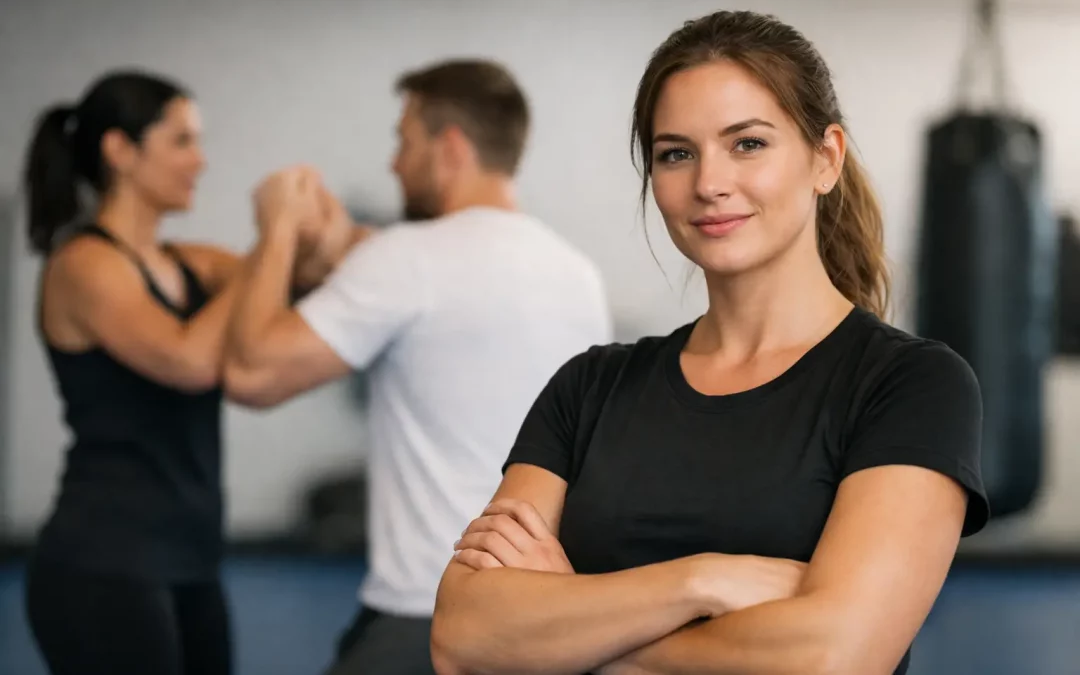
A difficult moment rarely arrives with a warning. That is why self defence for beginners is not about learning dramatic moves or trying to look tough. It is about feeling more aware, more prepared, and more confident in everyday situations.
For adults, teenagers, and children, the best starting point is a safe class where learning is structured, supportive, and suited to your current ability. You do not need to be fit, flexible, or experienced to begin. You only need a willingness to learn, practice, and build good habits over time.
What Self Defence for Beginners Really Means
Practical self-defense starts well before physical contact. It includes awareness of your surroundings, making sensible choices, using your voice clearly, and knowing when to create distance and leave. Physical techniques matter, but they work best alongside calm thinking and good judgment.
A quality beginner program teaches simple skills that are realistic to practice. Rather than trying to memorize a long sequence of complicated moves, students learn balance, posture, movement, protective positioning, and controlled striking. These foundations can be developed gradually, whatever your age or fitness level.
The goal is not to turn someone into a fighter. It is to help them recognize risk, respond with confidence, and prioritize getting to safety. That approach makes martial arts training valuable for families, not just people interested in competition.
Start With Awareness, Boundaries, and Distance
The most useful self-defense skill is often avoiding a situation before it escalates. Beginners learn to stay alert without becoming fearful. This may mean noticing who and what is around you, trusting an uneasy feeling, keeping your phone available, and choosing well-lit or familiar routes where possible.
Clear boundaries are equally important. A confident voice, direct language, and a strong stance can communicate that you do not want someone to come closer. For children and teens, this can include practicing how to say “no,” how to seek help from a trusted adult, and how to speak up when something does not feel right.
Distance gives you time to make decisions. In a martial arts class, students learn how to move without crossing their feet, keep their balance, and use their hands in a protective position. These may sound like small details, but they are the building blocks of staying composed under pressure.
Why Martial Arts Is a Strong Place to Begin
Watching a video can introduce an idea, but it cannot correct your posture, help you judge distance, or show you how a technique feels with a training partner. Self-defense is physical and situational. It needs patient coaching and regular practice.
Freestyle kickboxing gives beginners a practical framework for developing coordination, fitness, and defensive movement. Students work on striking techniques in a controlled setting, learning accuracy and control before adding speed or intensity. Training is structured so that people can progress without being thrown into situations they are not ready for.
Just as importantly, a good club teaches respect. Students learn to listen, work safely with partners, and take responsibility for their own effort. For younger students, these lessons often carry into school, home life, and friendships. For adults, training can become a reliable part of a healthier weekly routine.
What to Expect in Your First Class
Your first class should feel welcoming, not intimidating. You may begin with a warm-up to prepare your body, followed by basic movement, simple techniques, and fitness exercises adjusted to the group. Instructors should explain what to do clearly and give you time to practice.
Expect to feel challenged, especially if you have not exercised recently. That is normal. The right challenge builds confidence, while trying to do too much too quickly can lead to frustration or poor technique. Beginners make progress by showing up consistently, not by being perfect on day one.
You will not need expensive equipment to take your first step. Comfortable clothes, water, and a positive attitude are usually enough for an introductory session. As you continue, your instructor can advise you on any protective gear or uniform that is appropriate for your class.
For parents, it is worth looking for age-appropriate teaching. A young child needs different instruction from a teenager, and a teenager may have different goals from an adult beginner. The best programs combine clear structure with encouragement, helping each student grow at a pace that makes sense for them.
The Core Skills Beginners Build
Self-defense training is most effective when it focuses on a few skills and revisits them often. Repetition helps techniques become more natural, especially when nerves are high. A beginner class should develop the following areas over time:
- Awareness and decision-making, including when to leave, seek help, and avoid unnecessary confrontation.
- Balance and footwork, which help you move, maintain space, and avoid being easily pushed off position.
- Protective posture and guard, so you can reduce vulnerability while staying ready to move.
- Controlled striking, using simple punches, kicks, and pads to build coordination and confidence.
- Fitness and resilience, including stamina, strength, focus, and the discipline to keep practicing.
Not every technique is right for every person or every situation. Height, mobility, age, strength, clothing, surroundings, and the behavior of another person can all change what is realistic. This is why instructors emphasize adaptable principles rather than promises that one move will solve every problem.
Confidence Is Built Through Consistency
Many beginners arrive because they want to feel safer. They often discover that the benefits reach further. Training regularly can improve posture, energy, concentration, and general wellbeing. It also creates a positive connection between effort and progress: you practice something difficult, improve a little, and realize you are more capable than you thought.
For children, confidence should not mean becoming aggressive or showing off. It means having the courage to use their voice, respect others, focus in class, and recover when something feels challenging. Martial arts gives them a clear, active way to practice those life skills.
For adults, training offers time away from screens, work pressures, and daily routines. You can work hard, learn a practical skill, and be part of a group that wants to see you improve. Progress might look like better balance one month, more confidence speaking up the next, or simply feeling stronger after a busy week.
Choosing a Beginner-Friendly Class
The right environment matters as much as the style. Look for instructors who explain why a skill is being taught, not just what to copy. Classes should have clear safety rules, controlled partner work, and an atmosphere where questions are welcome.
A family-focused club should make beginners feel included from the start. There should be no pressure to prove yourself, no expectation that you already know the terminology, and no embarrassment about taking breaks when needed. Discipline and high standards can exist alongside patience and encouragement.
Taylor Martial Arts supports students of different ages and experience levels through structured freestyle kickboxing classes designed to build practical skills, fitness, focus, and self-belief. A free trial is a simple way to see whether the class environment feels right for you or your child.
Give Yourself Permission to Be New
Starting self-defense training can feel like a big step, particularly if you are worried about fitness, confidence, or walking into a room where everyone seems more experienced. Remember that every skilled student began as a beginner. The people making steady progress are usually the ones who keep turning up, listening carefully, and giving themselves time.
Choose a class where you feel supported, train with purpose, and let confidence grow one session at a time. The first skill you build may be the belief that you can handle more than you thought.
Recent Comments