
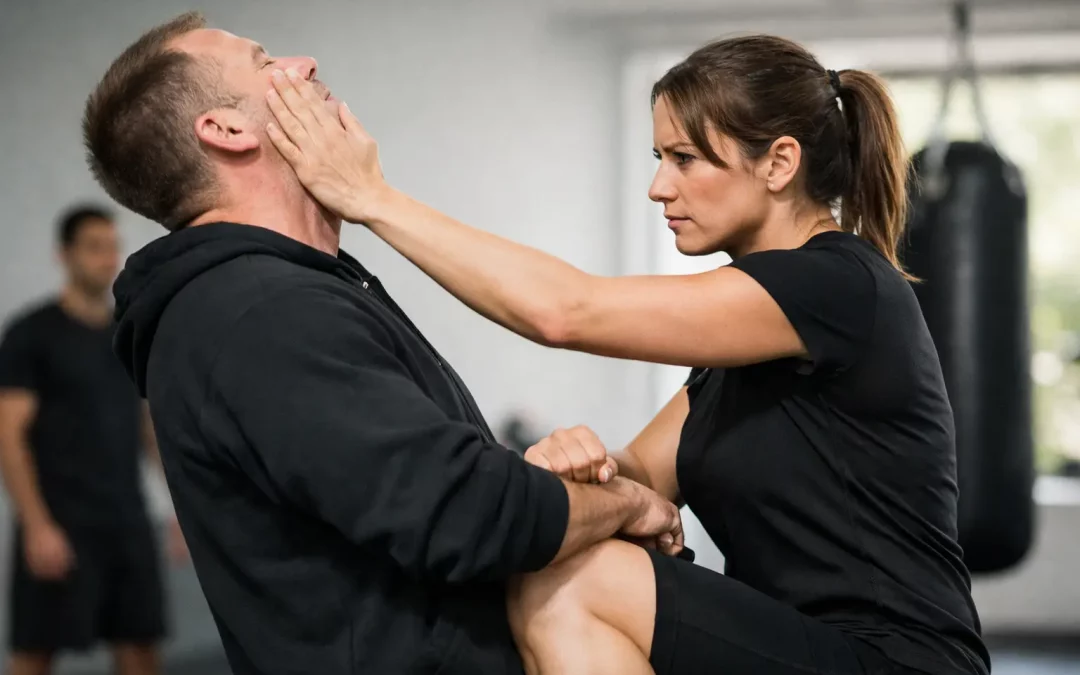
A lot of people first ask why is it good to know self defence skills after a worrying moment – walking home alone, seeing a child lose confidence, or realizing they would not know what to do under pressure. That question matters because self-defence is not only about fighting. For most people, it is about feeling more prepared, more aware, and more in control of themselves.
For families, teenagers, and adults alike, self-defence training offers practical value that reaches far beyond the training hall. It helps people move through daily life with better judgment, stronger boundaries, and more confidence in how they carry themselves. That is a big reason martial arts remains such a valuable skill at every age.
Why is it good to know self defence skills in real life?
The simplest answer is that self-defence skills give you options. If a situation feels uncomfortable or threatening, panic tends to take over when there is no plan. Training helps replace that panic with awareness, movement, and decision-making.
That does not mean every trained person is looking for confrontation. In fact, good self-defence training teaches the opposite. The first goal is usually to avoid trouble, spot warning signs early, create space, and get to safety. Physical techniques matter, but they sit alongside judgment, calmness, and control.
This is one of the biggest misunderstandings around martial arts. People sometimes assume self-defence means learning how to overpower someone. In practice, it is often about learning how not to freeze, how to stay balanced under stress, and how to respond quickly enough to protect yourself or someone with you.
Confidence changes how people carry themselves
One of the clearest benefits of self-defence training is confidence. Not loud confidence. Not aggression. Real confidence built through repetition, discipline, and progress.
When children learn new techniques, improve their focus, and see what they are capable of, they often become more secure in themselves. That can carry over into school, friendships, and other activities. They learn to stand taller, listen better, and deal with challenges in a calmer way.
For teenagers, that confidence can be especially important. These are years when peer pressure, social anxiety, and uncertainty can all feel intense. Training gives young people structure and a sense of achievement. It can help them set boundaries, speak more clearly, and avoid being drawn into situations that do not feel right.
Adults benefit in much the same way. Many people come to training wanting fitness or practical skills, then realize the mental shift is just as valuable. Feeling more capable tends to reduce anxiety. You may not become fearless, but you become less likely to feel helpless.
Awareness is often more important than technique
A strong self-defence mindset starts before any physical contact happens. Awareness is one of the most useful skills anyone can develop, and it is often overlooked by people who think self-defence begins with punches or blocks.
Training helps people pay attention to posture, distance, body language, and surroundings. You begin to notice what feels normal and what does not. That awareness can help you avoid risky situations earlier, whether that means crossing the street, leaving an uncomfortable environment, or recognizing when someone is ignoring personal boundaries.
This matters for children as well as adults. Age-appropriate self-defence training can teach children how to stay alert, use their voice, and understand the difference between safe and unsafe behavior. It is not about making them frightened. It is about helping them feel prepared.
There is a trade-off here, though. Awareness should build confidence, not fear. Good instruction does not teach people to see danger everywhere. It teaches them to stay switched on without becoming anxious about everyday life.
Self-defence training supports fitness and wellbeing
Another reason it is good to know self defence skills is that the training itself improves physical health. Martial arts sessions develop strength, coordination, balance, stamina, and mobility, often without people feeling like they are doing a standard gym workout.
That makes training appealing for people who want a practical reason to stay active. You are not only exercising for the sake of it. You are learning skills while improving your fitness, which often makes it easier to stay motivated.
For children, physical activity is closely tied to healthy development. It supports coordination, concentration, and body control. For adults, it can break up sedentary routines and offer a positive outlet for stress. Many people leave class feeling sharper mentally as well as stronger physically.
That said, fitness alone is not self-defence. Being strong helps, but knowledge, timing, and composure matter too. The best training brings these pieces together rather than relying on any one of them.
Discipline and self-control are part of staying safe
When people think about self-defence, they often focus on action. Just as important is restraint. Martial arts done properly teaches respect, discipline, and control, which are essential in real-life situations.
Knowing a technique is one thing. Knowing when not to use it is another. Self-defence should always be proportionate, responsible, and focused on safety. That is why structured training matters. It helps students understand that skill brings responsibility.
This is especially valuable for young people. Parents are often pleased to see that martial arts does not make children more aggressive. In many cases, it does the opposite. Children who train regularly tend to become more focused, more respectful, and better able to manage frustration.
For adults, self-control is just as relevant. Stressful situations can escalate quickly when emotions take over. Training under instruction helps people stay calmer under pressure and respond with better judgment.
Why self-defence skills matter for beginners
Some people hesitate because they assume self-defence training is only for naturally sporty or confident people. It is not. In fact, beginners often gain the most because they start with no previous framework for dealing with pressure.
Good coaching breaks skills down into manageable steps. You do not need to be strong, fast, or experienced on day one. You need a willingness to learn and to keep showing up. Over time, simple movements become more natural, and your reactions become more composed.
This is where a supportive class environment makes a real difference. People learn better when they feel encouraged, not judged. In a family-focused club like Taylor Martial Arts, the aim is to help every student build skill at their own level while still developing discipline and progress.
It also helps that training can be adapted by age and experience. A young child, a teenager, and an adult all need different teaching approaches. Self-defence is most effective when it is practical for the person learning it.
The benefits go beyond personal safety
Knowing self-defence skills can improve everyday life in ways that are easy to miss at first. People often sleep better when they feel less anxious. They may speak more assertively at work or school. They may feel more motivated to stick with healthy routines because training gives them structure.
There is also a strong community side to martial arts. Learning alongside others builds accountability and encouragement. For families, that can be particularly valuable. Children and parents both benefit from being part of a positive environment built around effort, respect, and progress.
Not every student trains for the same reason. Some want practical self-protection. Others want fitness, focus, or confidence. Most end up gaining a combination of all four. That is part of what makes self-defence training such a worthwhile investment of time.
So, why is it good to know self defence skills?
Because life is unpredictable, and feeling prepared matters. Self-defence skills help you protect yourself more effectively, but they also help you think more clearly, carry yourself with more confidence, and move through the world with better awareness.
For children, those skills can support confidence, discipline, and resilience. For teenagers, they can strengthen judgment and self-belief. For adults, they can improve safety, fitness, and peace of mind. The exact benefit depends on the person, but the value is real at every stage of life.
The best reason to learn is not to expect the worst. It is to become stronger, calmer, and more capable in everyday situations. A good class does more than teach techniques. It helps you build habits that support wellbeing, respect, and confidence for the long term.
If you have been thinking about starting, that first step is often the most important one. Learning self-defence is not about becoming someone else. It is about becoming more prepared, more focused, and more confident in yourself.
Recent Comments